EN
EN
Introduction
When it comes to heavy material handling, lifting, and pulling in industrial environments, having the right equipment is crucial. Among various material handling tools, the heavy-duty electric winch stands out as an indispensable workhorse. Whether you are in construction, mining, manufacturing, or marine engineering, understanding how electric winches work and how to select the right model can dramatically improve operational efficiency and safety.
In this comprehensive guide, we will explore everything you need to know about industrial electric winches, with a special focus on medium-to-heavy capacity models like the 3000kg (3-Ton) electric winch.
What is an Electric Winch and How Does It Work?
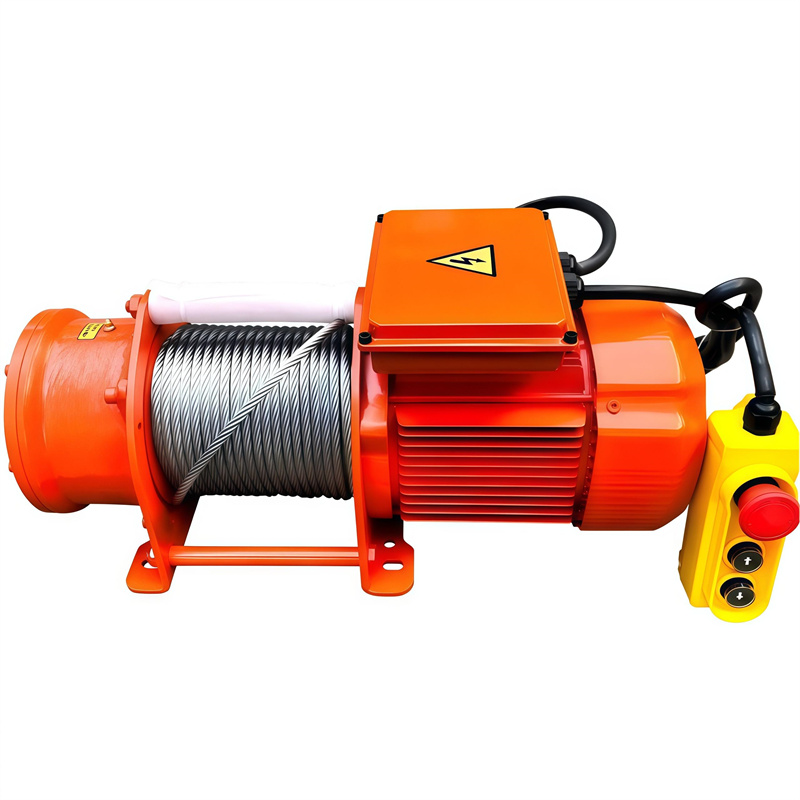
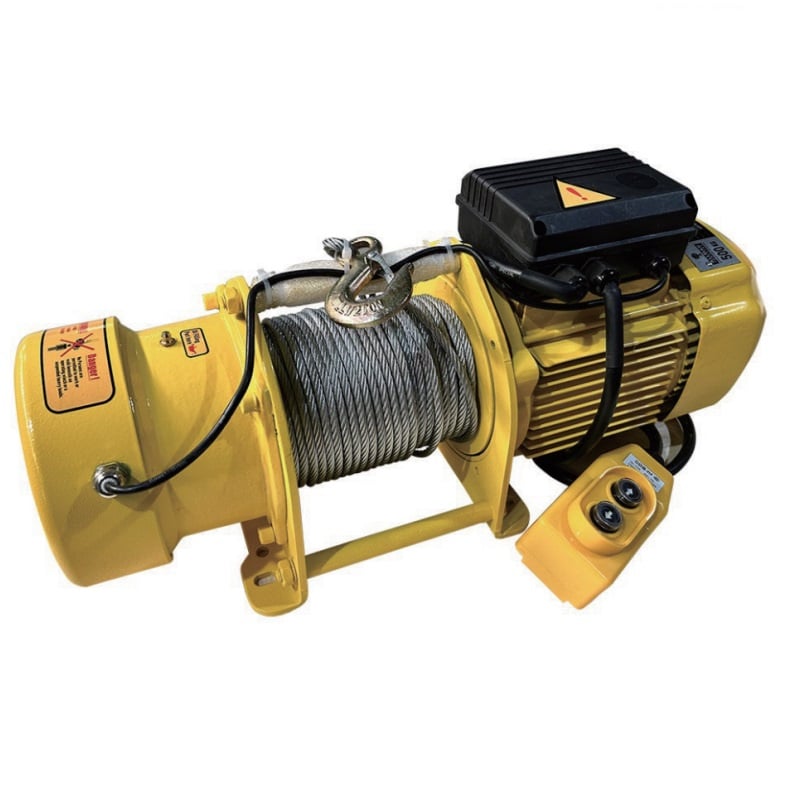
An electric winch is a mechanical device that uses an electric motor to power a drum, winding or unwinding a steel wire rope or cable to pull or lift heavy loads. Unlike manual winches that rely on human physical effort, electric winches offer high efficiency, precise control, and the ability to handle massive loads with minimal operator fatigue.
Core Components of an Industrial Electric Winch:
· Electric Motor: Provides the primary rotational power.
· Gearbox (Reduction Gearbox): Reduces the high speed of the motor to increase torque, enabling the winch to pull heavy loads.
· Drum: The cylinder around which the wire rope is wound.
· Steel Wire Rope: High-tensile steel cable designed to bear heavy tension.
· Control System: Typically includes a pendant control switch (or wireless remote) allowing operators to safely manage lifting and pulling operations.
Key Applications of Electric Winches
Medium-capacity industrial winches, such as the 3000kg electric winch, are versatile tools deployed across multiple heavy industries:
· Construction Sites: Used for vertical lifting of building materials, positioning steel beams, and hoisting equipment to higher floors.
· Mining & Quarries: Ideal for hauling equipment, positioning carts, and moving heavy machinery in confined or rugged spaces.
· Marine & Offshore: Utilized for anchoring, towing, and handling shipboard equipment or dockside cargo loading.
· Factory & Manufacturing: Integrated into production lines or maintenance workshops for moving heavy components and assembly parts.
How to Choose the Right Electric Winch for Your Project
Selecting the correct electric winch prevents equipment failure and ensures workplace safety. Consider the following key parameters before making a purchase:
① Load Capacity (Pulling vs. Lifting)
Always determine whether your application requires horizontal pulling or vertical lifting. Vertical lifting requires a higher safety factor because gravity is working directly against the load. A 3000kg (3-ton) capacity winch is typically designed to handle substantial industrial workloads, but you should always leave a safety margin (e.g., operating at 80%–85% of max capacity).
② Wire Rope Capacity & Diameter
Consider the length and thickness of the steel wire rope. Longer ropes allow for greater working distances or higher lifting heights, but make sure the drum capacity matches the required rope length without overcrowding.
③ Power Supply & Voltage
Industrial electric winches require stable electrical power. Ensure that the motor voltage (e.g., 380V/3-Phase, or customized local industrial voltages) matches your facility's power grid.
④ Control Options
Look for user-friendly control mechanisms. Heavy-duty units usually come with a durable handheld pendant switch featuring waterproof and shock-resistant designs for harsh outdoor or factory environments.
Safety and Maintenance Best Practices
To maximize the lifespan of your electric winch and protect operators, follow these essential maintenance guidelines:
1. Never Overload: Exceeding the rated 3000kg capacity can snap the wire rope, damage the motor, or cause catastrophic failure.
2. Inspect the Wire Rope Regularly: Check for fraying, kinks, bird-caging, or broken strands. Replace damaged ropes immediately.
3. Maintain Proper Spooling: Ensure the wire rope winds evenly onto the drum without overlapping or crossing, which can jam or pinch the cable.
4. Lubrication: Periodically check and lubricate the gearbox and mechanical parts according to the manufacturer's manual.
Conclusion
Investing in a reliable, heavy-duty electric winch is a game-changer for industrial productivity. By understanding your load requirements and maintaining your equipment properly, you can ensure smooth and safe operations for years to come.
Are you looking for a robust, high-performance electric winch for your next project? Contact us today to get a custom quote and professional technical support tailored to your business needs!
 Hot News
2026-07-11
2026-07-02
2026-07-01
2026-07-03
2026-06-12
2026-01-23
Nantong Allman Industry Co.,Ltd. is a professional manufacturer specializing in the manufacturing and export of high-quality lifting&material handling equipment in China.
Room 1503, Building#2, No.#166, North Street, Nantong City, Jiangsu Province, China.
Copyright © Nantong Allman Industry Co.,Ltd. All Rights Reserved Privacy Policy Blog