 EN
EN
Wire Rope Hoists for Efficient Industrial Maintenance Lifts
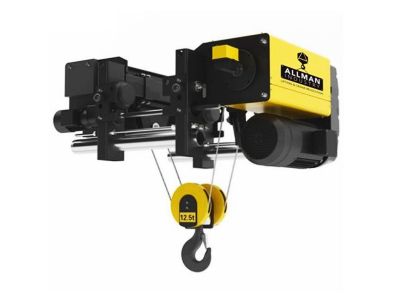
Wire rope hoists are important lifting tools used in factories, warehouses, workshops, construction sites, and other industrial environments. They use strong wire ropes to raise and lower heavy equipment and materials in a controlled manner. This makes difficult lifting tasks easier and can reduce the physical strain placed on workers. For industrial maintenance lifts, having reliable lifting equipment is especially important. Maintenance teams may need to move motors, pumps, machines, components, and other heavy equipment during inspections, repairs, or replacements. A properly selected wire rope hoist can help make these tasks more efficient while supporting safe working practices. ALLMAN provides wire rope hoists designed for different industrial lifting requirements, allowing businesses to select equipment according to their specific applications.
What Are the Top Benefits of Using Wire Rope Hoists in Industrial Settings?
One of the main benefits of wire rope hoists is their ability to handle heavy loads. A wire rope consists of multiple metal strands that are designed to provide strength and flexibility. When combined with a suitable hoisting mechanism, this allows the equipment to lift substantial loads in industrial environments.
For example, a factory may need to remove a large motor from production equipment for maintenance. Instead of relying on workers to manually move the motor, an appropriately rated wire rope hoist can raise and lower it in a controlled way. This can make the maintenance process easier and reduce unnecessary physical effort.
Efficiency is another major advantage. Industrial maintenance often involves strict schedules because equipment downtime can affect production. A reliable hoist can help maintenance teams move heavy components more efficiently, allowing them to focus on inspections, repairs, and other technical tasks.
Wire rope hoists can also provide controlled positioning. When replacing machinery components, workers often need to position heavy parts accurately. Smooth lifting and lowering can make it easier to align equipment with mounting points or other components.
Safety is another important consideration. Depending on the design, industrial wire rope hoists can include features such as overload protection, limit switches, braking systems, and emergency controls. These features are intended to support safer operation when the equipment is properly installed, inspected, and used according to its instructions. Versatility also makes wire rope hoist useful across different industries. They can be used in manufacturing, construction, maintenance facilities, warehouses, and other environments where heavy loads need to be lifted vertically. By selecting the correct lifting capacity and configuration, businesses can use ALLMAN wire rope hoists to support demanding industrial maintenance tasks while improving workflow and material handling efficiency.
Where to Buy High-Quality Wire Rope Hoists at Competitive Prices?
Finding the right supplier is an important part of purchasing industrial lifting equipment. Businesses should consider more than just the initial price. Product specifications, lifting capacity, durability, safety features, maintenance requirements, technical support, and warranty options can all influence the overall value of a wire rope hoist. ALLMAN offers a range of wire rope hoists for different industrial applications. Buyers can review the available specifications and determine which model best matches their lifting requirements. When comparing different products, it is useful to identify the maximum load, lifting height, operating frequency, power requirements, and working environment.
Wholesale buyers may also benefit from purchasing multiple units for factories, warehouses, or large maintenance operations. Buying several units may help businesses manage equipment requirements more efficiently, although the final price should always be evaluated together with product quality and after-sales support.
Online purchasing can make it easier to compare specifications and product options. Buyers can review technical information and contact the supplier with questions before placing an order. Businesses that are uncertain about which hoist they need should provide the supplier with detailed information about their intended application. Local industrial equipment distributors and trade shows can also provide opportunities to inspect lifting equipment and speak with suppliers. Seeing equipment in person can help buyers better understand its construction, controls, and available features.
When purchasing a wire rope hoist crane, businesses should also ask about installation guidance, replacement parts, maintenance support, and warranty coverage. These services can be valuable throughout the equipment's working life. For companies looking for industrial maintenance lifts, selecting a reliable supplier such as ALLMAN can help simplify the purchasing process and provide access to lifting equipment designed for demanding work environments.
What Features Should You Look for in a Wire Rope Hoist for Industrial Maintenance Lifts?
Choosing a wire rope hoist requires careful consideration of the application. The first feature to check is lifting capacity. The hoist must be properly rated for the maximum load it will handle. Buyers should never select equipment based only on the average load because maintenance tasks may sometimes involve heavier components.
Lifting height is also important. The hoist needs enough rope length and travel capability to reach the required working area. Before purchasing, businesses should measure the available lifting space and determine how high the equipment must be raised.
Lifting speed is another consideration. A faster hoist can help reduce the time needed to move equipment, but speed should be appropriate for the application. Maintenance work often requires accurate positioning, so good control can be just as important as fast movement.
Safety systems should receive close attention. Depending on the model, useful features can include overload protection, upper and lower limit switches, emergency stop controls, and reliable braking systems. These features can help operators maintain control and reduce operational risks.
The wire rope itself is also important. It should be suitable for the intended load and operating conditions. Regular inspections are necessary because wire ropes can experience wear during repeated use.
Ease of operation can improve workplace productivity as well. Controls should be clear and practical for trained operators. If a hoist is difficult to operate, it may slow down maintenance work and increase the possibility of operational mistakes.
The installation environment should also be considered. A hoist used inside a clean manufacturing facility may have different requirements from one used in a dusty workshop or outdoor environment. Temperature, moisture, dust, frequency of operation, and available electrical power should all be considered.
ALLMAN industrial wire rope hoist are designed for industrial applications where lifting performance, control, and reliability are important. Buyers should always match the equipment specifications to their actual application and follow the manufacturer's operating requirements.
How to Maintain Wire Rope Hoists for Reliable Industrial Performance?
Regular maintenance is essential for keeping a wire rope hoist in good working condition. A maintenance program can help identify potential problems before they develop into more serious equipment failures. One of the first steps is regular inspection. Operators and maintenance personnel should check the hoist according to the manufacturer's recommended inspection schedule. The wire rope should be examined for visible signs of damage, excessive wear, corrosion, broken wires, kinks, or other conditions that could affect safe operation.
If the wire rope shows unacceptable damage, the equipment should be taken out of service and evaluated by qualified personnel. A damaged rope should not simply be ignored because the hoist is still capable of lifting a load. The hoist should also be kept clean. Dust, dirt, moisture, and other contaminants can accumulate on equipment used in industrial environments. Cleaning should be performed using methods and materials appropriate for the hoist and its components. Moving parts should be inspected and lubricated when required by the manufacturer's maintenance instructions. Gears, pulleys, bearings, and other components need to operate correctly for the lifting system to function properly.
Unusual sounds or movements should never be ignored. Grinding, abnormal vibration, unusual noise, inconsistent lifting, or unexpected movement may indicate a mechanical or electrical problem. If something appears abnormal, the hoist should be stopped and inspected by qualified personnel.
Safety systems also need regular checking. Overload protection, limit switches, brakes, emergency controls, and other protective systems should be maintained according to the manufacturer's requirements. Proper operator training is equally important. Even a high-quality hoist can become unsafe if it is overloaded, improperly rigged, or operated incorrectly. Workers should understand the equipment's rated capacity, controls, inspection requirements, and operating limitations. With appropriate maintenance and responsible operation, an ALLMAN wire rope hoist can provide dependable support for industrial maintenance lifts over an extended service period.
What Are the Latest Trends in Wire Rope Hoist Technology?
Wire rope hoist technology continues to develop as manufacturers look for ways to improve productivity, safety, monitoring, and energy efficiency. One important trend is the increased use of smart technology. Modern lifting equipment can incorporate sensors and monitoring systems that provide information about equipment performance. Depending on the system, sensors may help monitor operating conditions, usage patterns, load information, or maintenance requirements. This can help maintenance teams identify potential issues before they result in unexpected downtime. Energy efficiency is another area receiving attention. Industrial facilities are looking for equipment that can perform demanding lifting operations while managing energy consumption effectively. Improved motors, controls, and drive systems can contribute to more efficient operation.
Manufacturers are also working on stronger and lighter components. Reducing unnecessary equipment weight can make some lifting systems easier to install and handle, while advanced materials and engineering can help maintain the required strength and durability.
Safety technology is developing as well. Improved overload protection, emergency stop systems, limit controls, and monitoring technologies can provide additional support for safe lifting operations. Remote control systems can also provide operators with greater flexibility. Depending on the equipment configuration, remote controls can allow trained operators to manage lifting functions from a suitable position where they have a better view of the load and surrounding work area. These developments are helping industrial lifting equipment become more connected, efficient, and easier to monitor. However, technology does not replace proper training, inspection, maintenance, or safe operating procedures.
For businesses planning to upgrade their industrial maintenance lifts, keeping up with these developments can help them evaluate newer equipment more effectively. ALLMAN wire rope hoists can be considered as part of an industrial lifting strategy where reliable load handling, maintenance support, and operational efficiency are important.
Table of Contents
- Wire Rope Hoists for Efficient Industrial Maintenance Lifts
- What Are the Top Benefits of Using Wire Rope Hoists in Industrial Settings?
- Where to Buy High-Quality Wire Rope Hoists at Competitive Prices?
- What Features Should You Look for in a Wire Rope Hoist for Industrial Maintenance Lifts?
- How to Maintain Wire Rope Hoists for Reliable Industrial Performance?
- What Are the Latest Trends in Wire Rope Hoist Technology?