EN
EN
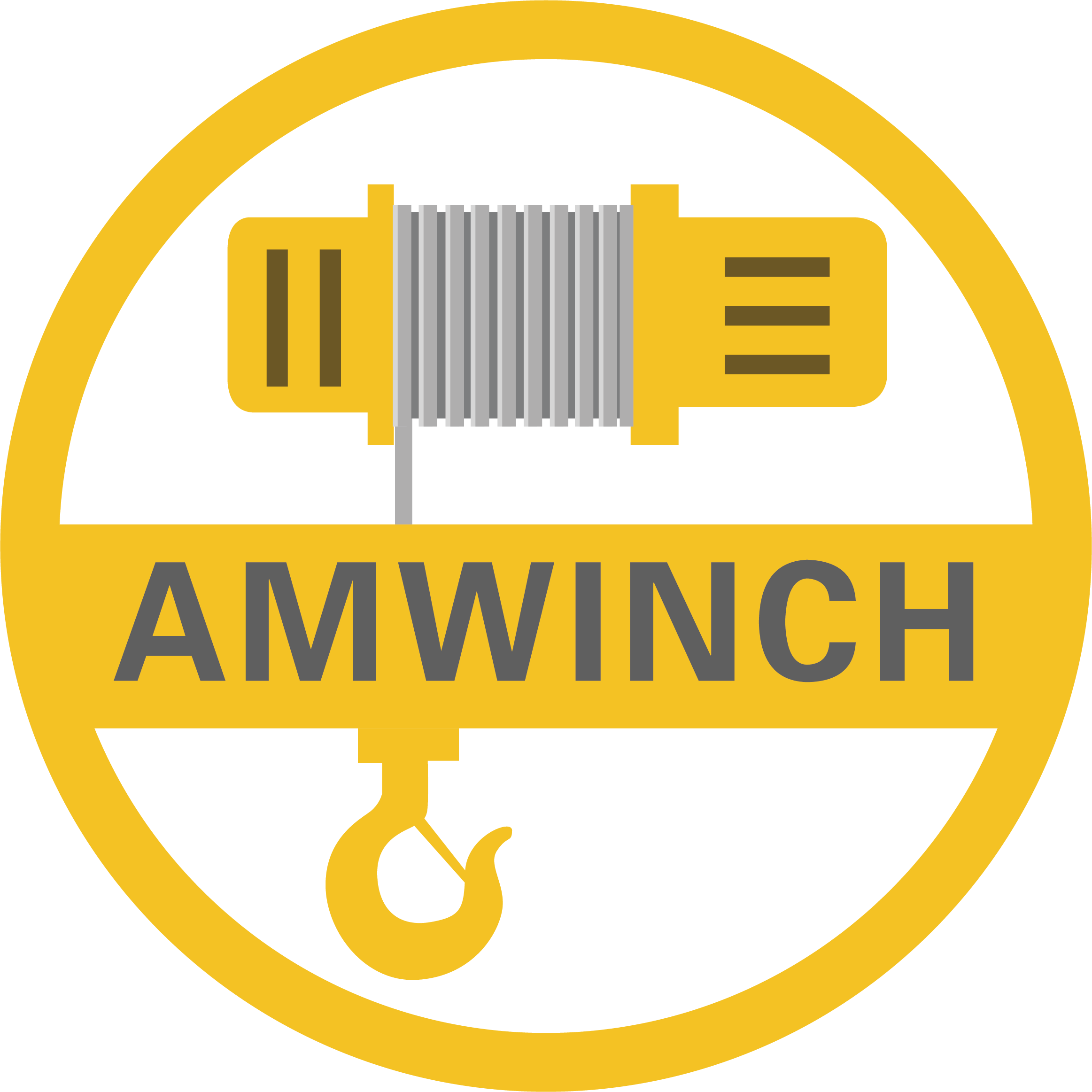
In many factories, workshops, warehouses and industrial facilities, the available overhead space can be a major limitation when selecting lifting equipment. The building height may be fixed. An overhead beam may already be installed. Production equipment may occupy valuable vertical space. In some applications, the load itself may also be relatively tall.
Under these conditions, choosing an electric hoist is not simply a matter of asking "How much weight does it need to lift?" Another important question is:
How much vertical space does the hoist itself require?
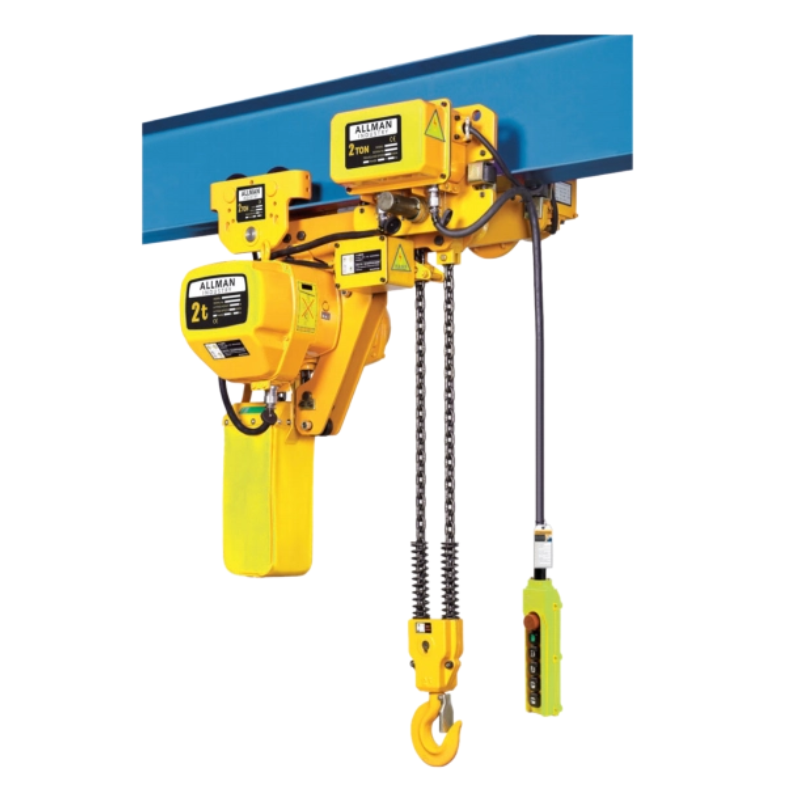
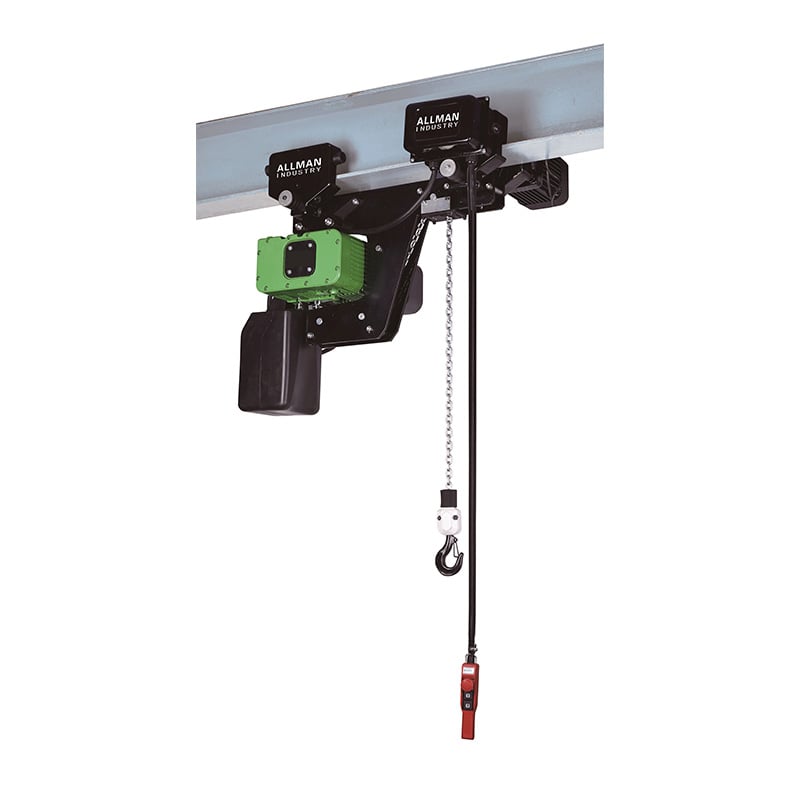
This is where a low headroom electric chain hoist can provide an effective solution. Designed for applications where overhead clearance is limited, a low headroom hoist helps make better use of the available vertical space. When combined with a motorized trolley, it can provide both vertical lifting and horizontal load movement along an overhead beam.
This guide explains what low headroom means, why headroom matters, how to select a suitable hoist, and what should be checked before installation.
Headroom refers to the vertical space required by the hoist between its supporting structure and the hook or load position, according to the manufacturer's dimensional definition.
Headroom refers to the vertical space required by the hoist between its supporting structure and the hook or load position, according to the manufacturer's dimensional definition. The amount of space occupied by the hoist affects how high the hook can reach when the overhead beam and building height are fixed.
This makes headroom an important consideration for facilities with limited vertical clearance.
“Q: Is H the Same as Headroom? A: Not necessarily.”
Manufacturers may use different dimensional references such as H, H1, C or other designations on technical drawings. The exact definition can vary depending on the product design.
Therefore, when comparing different hoists, customers should always refer to the manufacturer's dimensional drawing rather than comparing a single letter or number without checking its measurement reference.
The basic principle behind low headroom lifting equipment is straightforward. When the building height and overhead beam position are fixed, part of the available vertical space is occupied by the hoist installation itself. Reducing the required headroom can therefore help make more of the remaining vertical space available for the load.
The actual usable height depends on the specific hoist dimensions, installation arrangement and load configuration, so this should not be treated as an engineering calculation.
The important principle is:
Less required headroom can mean more usable lifting space below the beam.
This is why low headroom electric chain hoists are particularly useful in existing buildings where structural modifications are difficult or expensive.
A low headroom hoist may be a suitable choice when one or more of the following conditions apply.
1. The Workshop Has Limited Ceiling Height
A low ceiling naturally restricts the amount of vertical space available for lifting equipment.
Reducing the hoist's required headroom can help make better use of the available space.
2. The Existing Beam Cannot Be Raised
In many retrofit projects, the supporting beam or crane structure is already installed.
Changing the beam elevation may require significant structural modifications.
A suitable low headroom hoist can provide an alternative solution without changing the existing structure.
3. Maximum Hook Height Is Important
Some applications require the hook to reach as high as possible.
This may be important for:
Machinery installation
Equipment maintenance
Production operations
Material handling
Steel fabrication
4. The Load Is Tall
The height of the load itself can affect the available lifting space.
A lower hook position may make it difficult to position a tall load correctly.
A low headroom configuration can help optimize the available vertical space.
5. You Are Replacing an Existing Hoist
When replacing an existing hoist, the available dimensions of the existing crane or beam should be considered.
A low headroom model may be useful when the existing structure provides limited clearance.
Low headroom electric chain hoists can be used in various industrial environments where overhead clearance is limited.
Manufacturing Workshops
Used for lifting and moving components, machinery and production materials.
Machinery Installation
Useful when machinery needs to be lifted in areas with restricted vertical clearance.
Maintenance Workshops
Can assist with lifting equipment and components during maintenance and servicing operations.
Warehouses
Suitable for material handling applications where building height or existing structures restrict available lifting space.
Steel Fabrication
Can be used for lifting and positioning steel components in fabrication workshops.
Existing Overhead Crane Systems
Low headroom configurations can be considered for selected replacement and retrofit applications where the existing beam elevation is fixed.
Q: What is a low headroom electric chain hoist?
A: A low headroom electric chain hoist is an electrically powered lifting device designed to reduce the vertical space required between the supporting structure and the hook position. It is commonly used where overhead clearance is limited.
Q: What is the main advantage of a low headroom hoist?
A: The main advantage is better utilization of available vertical space. A suitable low headroom configuration can help achieve a higher usable hook position when the building height or beam position is fixed.
Q: Is a low headroom hoist always better than a standard hoist?
A: No. A low headroom hoist is particularly useful when overhead clearance is limited. Where sufficient space is available, a standard hoist may already meet the application's requirements.
Q: Can a low headroom electric chain hoist use a motorized trolley?
A:Yes. A low headroom electric chain hoist can be combined with a motorized trolley when horizontal movement along an overhead beam is required.
Q: How do I know if I need a low headroom hoist?
A: Check the building height, beam position, available clearance and required hook height. If overhead space is limited and a higher hook position is required, a low headroom hoist may be worth considering.
Q: What does H mean on an electric hoist drawing?
A: The meaning of the H dimension depends on the manufacturer's dimensional drawing and product design. Different manufacturers may use different dimensional references, so the drawing should always be checked before comparing products.
Q: What beam can a motorized trolley hoist be installed on?
A: The trolley must be compatible with the beam dimensions and its adjustment range. Beam type, flange width and flange thickness should be checked before ordering.
Q: Can the lifting height be customized?
A: Depending on the hoist model, lifting height can be configured according to the application requirements.
Nantong Allman Industry Co.,Ltd. is a professional manufacturer specializing in the manufacturing and export of high-quality lifting&material handling equipment in China.
Room 1503, Building#2, No.#166, North Street, Nantong City, Jiangsu Province, China.
Copyright © Nantong Allman Industry Co.,Ltd. All Rights Reserved Privacy Policy Blog