 EN
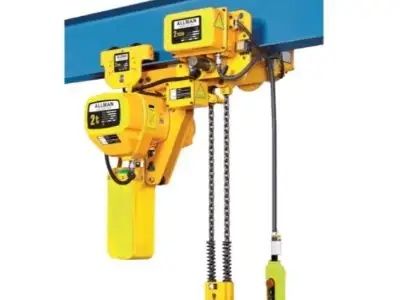
Electric chain hoists are essential equipment for assembly line material handling, providing efficient lifting solutions that enhance productivity in various industrial applications. For B2B buyers, understanding the specifications, sourcing options, and quality evaluation methods for electric chain hoists is crucial to ensure reliable performance. This article will delve into the key specifications, sourcing considerations, quality evaluation, cost factors, and practical applications of electric chain hoists, helping purchasing managers and engineers make informed decisions
Key Specifications of Electric Chain Hoists for Material Handling
When selecting an electric chain hoist for assembly line material handling, several key specifications must be considered
Load Capacity: This specification indicates the maximum weight the hoist can lift. It is vital to select a hoist with a load capacity that exceeds the heaviest load you plan to lift to ensure safe operation
Lift Height: The lift height is the maximum distance the hoist can raise the load. Knowing the required lift height helps determine the suitable hoist model for your operation
Chain Speed: The speed at which the chain moves is crucial for efficiency. A higher chain speed can reduce cycle times but may not be suitable for all applications, particularly those requiring precise positioning
Power Supply: Electric chain hoists typically operate on either single-phase or three-phase power. The choice depends on the infrastructure of your facility and the intended use
Duty Cycle: This refers to how often the hoist can be used in a given time period without overheating. Understanding the duty cycle ensures the hoist can withstand the operational demands of your assembly line
Control Options: Many electric chain hoists come with various control options, including pendant controls, remote controls, and integrated safety features. Choosing the right control system enhances operational safety and ease of use
These specifications should be aligned with your specific operational requirements to ensure that the selected electric chain hoist meets performance and safety standards
Sourcing from Trusted Suppliers
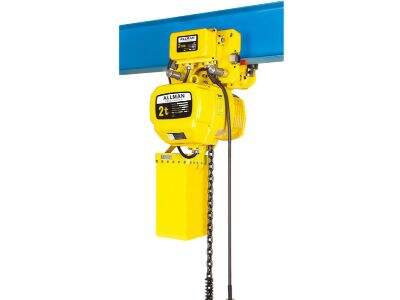
Sourcing single phase electric chain hoists from reputable suppliers is critical for ensuring product quality and reliability. Here are some factors to consider when selecting a supplier
Experience and Reputation: Look for manufacturers with a proven track record in producing electric hoists and lifting equipment. Companies like Nantong Allman Industry Co., Ltd., with 20 years of experience, often offer reliable products backed by industry knowledge
Certifications: Always inquire about the certifications held by the supplier, such as ISO 9001 for quality management systems or CE for compliance with European safety standards. These certifications indicate a commitment to quality and safety
Customization Capabilities: Depending on your specific needs, you may require customized solutions. A supplier that can tailor their products to fit your operational requirements can enhance efficiency
After-Sales Support: Assess the level of after-sales support a supplier provides, including installation assistance, maintenance services, and availability of spare parts
Export Markets: If you are sourcing from an international supplier, ensure they have experience in your local market and can handle logistics efficiently
By choosing a trusted supplier, you can mitigate risks associated with product quality and service reliability
Evaluating Quality in Electric Chain Hoists for Your Projects
Quality evaluation is essential when selecting electric chain hoists for your projects. Here are some key considerations
Material Selection: The materials used in construction affect durability and performance. Look for hoists made from high-quality steel or aluminum alloys, which offer strength while minimizing weight
Quality Control Processes: Inquire about the manufacturer's quality control processes. A robust quality management system ensures that each hoist meets performance standards before leaving the factory
Testing Procedures: Understand the testing procedures the manufacturer employs. This may include load testing, operational testing, and safety checks to ensure the hoists function correctly under various conditions
Warranty and Service Terms: Review the warranty terms offered on the hoist. A comprehensive warranty demonstrates the manufacturer's confidence in their product and provides peace of mind for the buyer
User Reviews and Case Studies: Research user reviews and case studies that highlight real-world performance. This feedback can provide insights into the reliability and effectiveness of the hoist in similar applications
By carefully evaluating these aspects, you can reduce the likelihood of encountering performance issues during operation
Cost Factors to Consider When Purchasing Electric Chain Hoists
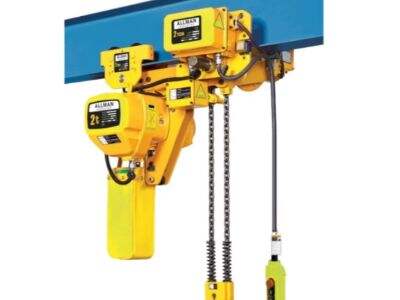
Understanding the cost factors associated with electric chain hoist with electric trolley is crucial for budgeting and financial planning. Key considerations include
Initial Purchase Price: The upfront cost of the hoist is a primary consideration. However, it's essential to evaluate this in the context of long-term value rather than solely focusing on the lowest price
Operational Costs: Consider the operational costs associated with the hoist, including energy consumption, maintenance, and potential downtime. A more efficient hoist may have a higher initial cost but lower operational expenses
Customization Costs: If customization is required, factor in any additional costs associated with tailoring the hoist to your specific needs
Shipping and Handling Fees: Depending on the supplier's location, shipping costs can vary significantly. Ensure that these costs are included in your total budget
Training and Installation Costs: Don’t forget to account for the costs associated with training your staff to operate the hoist and any installation fees that may apply
By considering these factors, you can make a more informed decision that balances initial investment with long-term operational efficiency
Applications of Electric Chain Hoists in Industrial Settings
Electric chain hoists are versatile tools used across various industrial settings for material handling. Some common applications include
Assembly Lines: In manufacturing environments, electric chain hoists are used to lift heavy components into place, streamlining the assembly process and improving productivity
Warehouse Operations: Hoists are essential for loading and unloading heavy items in warehouses, facilitating efficient inventory management and storage solutions
Construction Sites: In construction, electric chain hoists aid in lifting building materials, tools, and equipment to different levels, enhancing safety and efficiency on site
Automotive Industry: Electric hoists are employed in automotive production lines for handling engines, chassis, and other heavy components during assembly
Maintenance and Repair: In maintenance operations, these hoists are used to lift machinery and equipment for repair, reducing manual handling risks and improving workplace safety
Understanding these applications can help buyers identify the most suitable electric chain hoist for their specific needs, ensuring they invest in a product that will enhance their operational capabilities
By considering these factors and specifications, B2B buyers can make informed decisions when selecting electric chain hoists for assembly line material handling, ensuring they meet their operational goals effectively