 EN

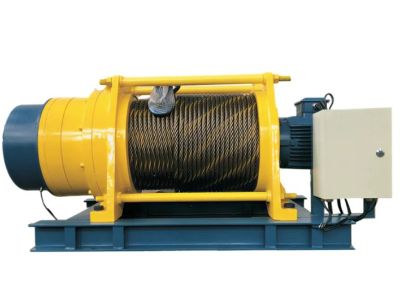
Manual winches play a crucial role in on-site operations, providing a reliable means of lifting and pulling heavy loads without the need for electric power sources. Despite the rise of electric hoists and automated systems, the practicality of manual winches remains significant for various applications. This article will explore the key applications of manual hand winch, quality factors to consider when sourcing them, insights for bulk orders, technical specifications for optimal performance, and best practices to ensure efficient operation. Understanding these aspects will help purchasing managers and engineers make informed decisions when integrating manual winches into their operations.
Key Applications of Manual Winches in On-Site Operations
Manual winches are versatile tools used across various industries, including construction, marine, and logistics. Their primary applications include:
Lifting Heavy Loads: Manual winches are often employed to lift heavy equipment, tools, and materials on construction sites. They provide a safe and efficient way to move loads vertically without the risk of electrical failures.
Pulling and Tensioning: In the marine industry, manual winch are essential for pulling in sails, mooring lines, and fishing nets. They allow for precise tensioning, which is critical for ensuring safety and performance.
Rigging and Recovery: Manual winches are widely used in rigging operations, especially in remote locations where electric power is not available. They are also invaluable in recovery scenarios, such as pulling vehicles or machinery out of difficult situations.
Material Handling: In warehouses and distribution centers, manual winches facilitate the movement of heavy pallets and goods, enabling smoother operations without the need for powered equipment.
Understanding these applications helps buyers evaluate which specific type of manual winch will suit their operational needs best.
Quality Factors to Consider When Sourcing Manual Winches
When sourcing manual winches, quality should be a top priority. Here are key factors to consider:
Material Selection: The materials used in manufacturing winches greatly impact their durability and strength. High-strength steel is commonly preferred due to its resistance to wear and ability to handle heavy loads. Corrosion-resistant coatings are also important for applications in harsh environments, such as marine settings.
Load Capacity: Buyers must assess the maximum load capacity of the winch to ensure it meets operational requirements. It's crucial to choose a winch that can handle loads exceeding the average weight of items being lifted or pulled to avoid failure.
Gear Ratio: The gear ratio determines the mechanical advantage and ease of use. A higher gear ratio allows for easier lifting of heavier loads, which can be a significant advantage in demanding situations.
Quality Control Processes: Understanding the manufacturer's quality control processes can provide insights into the reliability of the winches. Look for suppliers who adhere to international quality standards, such as ISO certifications, to ensure consistent product quality.
Testing and Certification: Ensure that the winches have undergone rigorous testing and meet relevant safety certifications. This information can often be requested from the supplier.
By focusing on these quality factors, buyers can select manual winches that will perform reliably in their specific applications.
What You Need to Know for Bulk Orders?
When considering bulk orders for manual winches, several important factors come into play:
Minimum Order Quantities (MOQ): Different manufacturers have varying minimum order quantities. Buyers should clarify MOQs early in the negotiation process to ensure they can meet their purchasing goals.
Pricing Factors: Bulk orders often result in cost savings, but buyers should be aware of factors that may affect pricing, such as material costs, production capacity, and lead times. Requesting detailed quotations from multiple suppliers can help in comparing costs effectively.
Lead Time: The time required for production and delivery can vary significantly among manufacturers. Understanding lead times is crucial to ensure that the manual winch lift arrive when needed, especially for time-sensitive projects.
Customization Options: Many manufacturers offer customization capabilities for bulk orders, such as specific load capacities, gear ratios, or finishes. Discussing customization options can lead to a more tailored solution that meets specific operational needs.
Sample Approval: Before mass production, it is advisable to request a sample to verify that the specifications meet your requirements. This step helps confirm dimensions, performance, and overall quality.
Being informed about these aspects can streamline the bulk ordering process and ensure that buyers receive the best value for their investment.
Technical Specifications of Manual Winches for Optimal Performance
Understanding the technical specifications of manual winches is essential for achieving optimal performance. Key specifications include:
Load Capacity: This specification indicates the maximum weight the winch can safely lift or pull. It is vital to select a winch with a load capacity that exceeds your typical operational needs.
Drum Size: The size of the winch drum affects the amount of rope or cable it can hold. A larger drum can accommodate longer lengths of rope, which is beneficial for applications requiring significant lifting heights.
Weight: The weight of the winch itself can impact portability. Lighter winches may be easier to transport, while heavier models typically offer greater durability.
Standard Compliance: Buyers should verify that the winches comply with relevant industry standards. Certifications, such as CE marking or ANSI compliance, indicate that the product meets safety and performance benchmarks.
Operating Mechanism: Understanding whether the winch operates via a ratchet or a friction brake is important for assessing ease of use and safety. Each mechanism has its advantages depending on the specific application.
By ensuring these technical specifications align with operational needs, buyers can maximize the effectiveness of manual winches in their applications.
Best Practices
To ensure the efficient and safe operation of manual winches, consider these best practices:
Regular Inspections: Conduct regular inspections of the winch, including checking for wear on cables, gears, and other components. This proactive maintenance can prevent failures and extend the lifespan of the equipment.
Proper Training: Ensure that all operators are trained in the correct use of manual winches. Training should cover load limits, safety procedures, and maintenance practices to reduce the risk of accidents.
Load Management: Always adhere to the winch's load capacity and avoid overloading. Proper load management not only ensures safety but also prolongs the life of the winch.
Safe Practices: Use appropriate PPE (Personal Protective Equipment) and follow safety protocols when operating winches. Establish clear communication signals among team members during lifting or pulling operations.
Documentation: Keep records of all maintenance activities, inspections, and training sessions. This documentation can be invaluable for compliance and safety audits.
Implementing these best practices will enhance the performance and longevity of manual winches, ensuring they provide reliable service in various applications.
By understanding the practicality of manual winches, their applications, quality factors, and best practices, purchasing managers and engineers can make informed decisions that enhance operational efficiency and safety on-site.