 EN

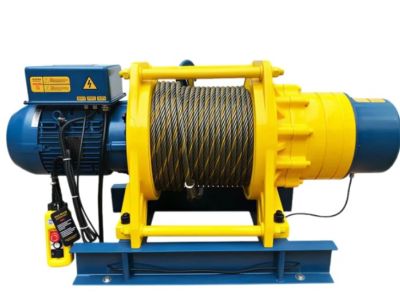
Manual winches are essential mechanical devices used for controlled load pulling in various industrial and commercial applications. Understanding how manual winches work is crucial for purchasing managers, engineers, and other professionals involved in material handling. This article will explore the inner workings of manual winches, addressing key specifications, purchasing guidance, cost factors, installation tips, and their diverse applications across industries. By the end of this article, you will have a comprehensive understanding of how to select and utilize manual hand winch effectively for your operational needs.
Specifications to Consider
When evaluating manual winches, several specifications are critical to ensuring they meet your operational requirements. First, consider the load capacity, which indicates the maximum weight the winch can handle safely. Load capacities can vary significantly; therefore, it is essential to choose a winch that exceeds your maximum expected load to avoid potential failures.
Next, examine the gear ratio, which affects the winch's mechanical advantage. A higher gear ratio allows for easier lifting of heavier loads but may result in slower operation. Conversely, a lower gear ratio can increase speed but may require more effort. Understanding the balance between speed and power is crucial for selecting the right manual winch lift for your application.
Material is another important specification. Manual winches are typically constructed from steel or aluminum, each offering distinct advantages. Steel provides strength and durability, while aluminum is lightweight and resistant to corrosion but may not support as heavy a load. Assessing the operating environment, including exposure to moisture or chemicals, can guide you in selecting the appropriate material.
Lastly, consider dimensions and mounting options. The heavy duty hand winch should fit comfortably in your designated workspace while allowing for easy operation. Mounting options can include portable designs or fixed installations, depending on your application.
Wholesale Purchasing Guide for Quality Manual Winches
When purchasing manual winches in bulk, it is crucial to establish a reliable supply chain. Start by identifying reputable manufacturers, like Nantong Allman Industry Co., Ltd., known for their expertise in lifting equipment. Evaluate potential suppliers based on their experience, customer reviews, and product quality certifications.
Prepare a detailed Request for Quotation (RFQ) that outlines your specific requirements, including load capacity, gear ratio, materials, dimensions, and quantity. Providing comprehensive information helps suppliers tailor their offerings to your needs, ensuring you receive accurate pricing and lead times.
Additionally, consider the minimum order quantity (MOQ) and delivery terms; knowing these details can impact your overall cost and logistics planning. Establishing a good relationship with your supplier can also lead to better pricing, customization options, and support for any future needs.
Lastly, always request samples before committing to a large order. Testing the sample winch under actual operating conditions allows you to assess performance and compatibility with your existing equipment.
Cost Factors in Manual Winch Selection for Bulk Orders
Several factors influence the cost of manual winches, making it essential for buyers to understand these elements when making purchasing decisions. First, the quality of materials plays a significant role in pricing. Higher-quality steel or specialized coatings for corrosion resistance can increase costs but provide long-term durability and performance.
Customization options can also affect cost. If your operation requires specific features, such as unique dimensions or additional safety mechanisms, expect to pay more for tailored solutions. Assess whether these customizations are necessary for your application to avoid unnecessary expenses.
Another consideration is the volume of your order. Bulk purchasing often allows for discounts, but it is crucial to balance this with your actual needs to prevent overstocking. Understanding your operational requirements and maintenance schedules can help determine the appropriate quantity to order.
Lastly, factor in shipping costs and delivery timelines. Depending on your location and the supplier's facilities, these can vary significantly. Coordinating these logistics early in the purchasing process can help you avoid unexpected expenses.
Installation Guidance for Efficient Use of Manual Winches
Proper installation is vital for maximizing the efficiency and safety of manual winches. Begin by reading the manufacturer’s manual thoroughly, as it provides specific instructions tailored to the product. Ensure that the installation location can support the winch's load capacity and is free from obstructions.
Before installation, check that all components, including the mounting brackets and hardware, are included and in good condition. It’s advisable to use a level to ensure the winch is mounted correctly, as improper installation can lead to operational difficulties or accidents.
Once installed, conduct a thorough inspection of the winch’s functionality. Test the load capacity by gradually applying weight to ensure it operates smoothly without excessive strain or noise. Regular maintenance checks should also be scheduled to ensure all components remain in good working order, helping to prolong the winch's lifespan.
Applications of Manual Winches in Various Industries
Manual winches are versatile tools used across different industries, each with unique applications. In construction, they are often employed to lift heavy materials to elevated work areas, providing a reliable solution for moving loads in areas where electric hoists may not be practical.
In the marine industry, manual winches are commonly used for mooring boats and lifting equipment on and off vessels. Their portability and ease of use make them ideal for various marine applications.
Transport and logistics also benefit from manual winches, especially in loading and unloading heavy cargo. They ensure controlled handling, reducing the risk of accidents during these processes.
Additionally, in theater and event production, manual winches facilitate the movement of sets and equipment, allowing for quick adjustments during performances. The versatility of manual winches makes them invaluable in applications requiring precision and control.
By understanding the diverse applications of manual winches, purchasing managers can better assess their needs and select the right equipment for their specific operational challenges.