 EN
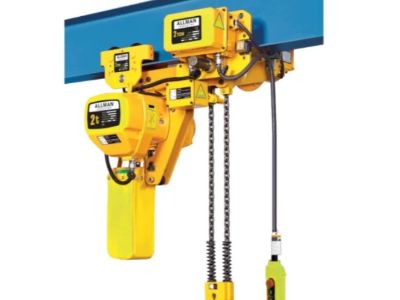
Electric chain hoists play a crucial role in production line lifting, providing efficient and reliable solutions for material handling. With the increasing demands of modern manufacturing environments, selecting the right hoist becomes vital for optimizing workflow, enhancing safety, and ensuring productivity. This article will explore the advantages of electric chain hoist, how to choose the right one for your needs, key specifications to consider, installation challenges and solutions, and their diverse applications in manufacturing.
The Advantages of Electric Chain Hoists for Production Line Efficiency
Electric chain hoists are designed to improve efficiency and productivity in production lines. One of the primary benefits is their ability to lift heavy loads quickly and with minimal manual effort. This reduction in physical strain not only enhances worker safety but also speeds up operations, allowing for smoother workflows.
Additionally, electric chain hoists are equipped with advanced features such as variable speed control and precise load positioning, making them suitable for complex lifting tasks. They often include overload protection mechanisms, which help prevent accidents and equipment damage. These safety features, combined with their reliability, make electric engine chain hoist a preferred choice in many industrial settings.
Moreover, electric chain hoists require less maintenance compared to manual hoists or other lifting solutions. With fewer moving parts and the absence of manual cranking, they minimize wear and tear, resulting in lower long-term operational costs. This efficiency translates into increased uptime and productivity for businesses.
How to Choose the Right Electric Chain Hoist for Your Needs?
Selecting the appropriate electric chain hoist involves several considerations tailored to your specific operational requirements. Start by assessing the maximum load capacity required. Electric chain hoists come in a variety of capacities, so it’s essential to choose one that can safely handle the heaviest loads you expect to lift.
Next, consider the lifting height and speed. Different applications may require varying heights and lifting speeds. Ensure that the hoist can meet these specifications to avoid potential operational bottlenecks.
Another critical factor is the environment in which the hoist will operate. If the production line involves exposure to harsh conditions, such as high humidity or corrosive materials, opt for hoists made from durable materials that can withstand these environments. Additionally, check for any specific certifications that may be required for your industry, ensuring compliance with safety regulations.
Lastly, evaluate the hoist's features, such as remote controls, programmable settings, and integration capabilities with existing systems. These features can enhance usability and further improve efficiency in operations.
Key Specifications to Consider When Sourcing Electric Chain Hoists
When sourcing electric chain hoists, several key specifications should be examined to ensure suitability for your application:
Load Capacity: Determine the maximum weight the hoist needs to lift. This is critical for safety and performance, as using a hoist beyond its rated capacity can lead to failures.
Lifting Height: Assess the required lifting height for your operations. The electric trolley chain hoist are available in various lifting heights, so make sure to choose one that meets your needs without straining the motor.
Speed: Look at the lifting speed of the hoist. Faster speeds can improve efficiency, but ensure that they align with your operational safety standards.
Power Supply: Electric chain hoists may operate on different voltage systems. Confirm compatibility with your facility’s power supply to avoid operational disruptions.
Chain Type and Material: The chain’s material affects strength and durability. Chains made from high-grade steel are common for heavy-duty applications, while lighter materials may suffice for less demanding tasks.
Safety Features: Investigate the safety features included in the hoist design, such as limit switches, overload protection, and emergency stop functions. These features are essential for preventing accidents.
Warranty and Support: Consider the manufacturer's warranty and support options. A robust warranty can be a sign of quality, and good after-sales support can help resolve any issues quickly.
Common Installation Challenges with Electric Chain Hoists and Solutions
Installing electric chain hoists can present several challenges, but with proper planning, these can be managed effectively. Common issues include inadequate structural support, incorrect alignment, and electrical supply problems.
Structural Support: Ensure that the installation site can support the weight of the hoist and the maximum load. This may require reinforcing beams or selecting appropriate mounting points. Conduct a thorough assessment of the structure before installation.
Alignment: Misalignment can lead to uneven wear and operational inefficiencies. When installing the hoist, ensure that it is perfectly aligned with the load path to facilitate smooth operation. Utilize laser alignment tools if necessary.
Electrical Supply: Verify that the electrical supply meets the hoist’s operational requirements. Inadequate voltage can cause motor malfunctions or failures. It’s advisable to consult with a qualified electrician to confirm that all wiring and connections are properly installed.
By anticipating these challenges and addressing them proactively, you can ensure a smooth installation process and enhance the longevity of your electric chain hoist.
Applications of Electric Chain Hoists in Diverse Manufacturing Environments
Electric chain hoists find applications across various manufacturing environments due to their versatility and efficiency. In automotive manufacturing, they are often used for assembling vehicles, where precision and speed are paramount. The ability to lift heavy components, such as engines or chassis, allows for streamlined workflows on assembly lines.
In the construction industry, electric chain hoists assist with lifting heavy materials, such as steel beams and concrete blocks. Their capacity to handle substantial weights makes them indispensable for projects requiring heavy lifting in tight spaces.
Moreover, in warehousing and logistics, electric chain hoists facilitate the movement of goods and equipment, optimizing storage and retrieval processes. They can be integrated with automated systems to enhance operational efficiency further.
In smaller-scale applications, such as workshops or maintenance facilities, electric chain hoists are useful for lifting engines out of vehicles or moving heavy machinery for repairs. Their adaptability makes them suitable for both large-scale industrial applications and localized tasks.
Electric chain hoists are integral to enhancing production line efficiency, making thoughtful selection and application essential for maximizing their benefits. By understanding the key specifications and addressing installation challenges ahead of time, businesses can ensure that they choose the right hoist to meet their specific needs and improve overall productivity.
Table of Contents
- The Advantages of Electric Chain Hoists for Production Line Efficiency
- How to Choose the Right Electric Chain Hoist for Your Needs?
- Key Specifications to Consider When Sourcing Electric Chain Hoists
- Common Installation Challenges with Electric Chain Hoists and Solutions
- Applications of Electric Chain Hoists in Diverse Manufacturing Environments