 EN

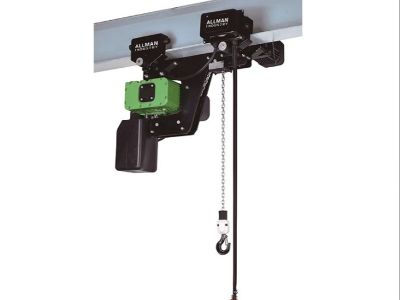
Electric chain hoists are essential tools in material handling, providing precise load positioning for a variety of applications. Buyers often seek clarity on why electric chain hoists are favored in this capacity, especially when considering their specifications, sourcing options, installation challenges, and industry applications. This article aims to guide purchasing managers, engineers, and product managers through the key aspects of electric chain hoist, helping them make informed decisions that align with their operational needs.
Why Choose Electric Chain Hoists for Precise Load Positioning?
Electric chain hoists are designed for accuracy and control in lifting operations, making them ideal for environments where precision is critical. Their ability to provide smooth, gradual lifting and lowering of loads allows for fine adjustments during the positioning process. This is particularly advantageous in applications such as assembly lines, warehouses, and construction sites, where even minor misalignments can lead to inefficiencies or accidents.
One of the main reasons buyers choose electric chain hoists is their ease of use. Operators can easily control the hoist's speed and positioning through a wired or wireless remote, which enhances safety and efficiency. Additionally, electric engine chain hoist typically offer a higher lifting capacity compared to manual options, allowing for the handling of heavier loads with less physical strain.
Furthermore, these hoists are equipped with safety features such as overload protection and emergency stop functions, which are critical in preventing accidents during operation. Buyers should consider these safety aspects, as they directly impact operational reliability and worker safety.
Key Specifications of Electric Chain Hoists for Buyers
When evaluating electric chain hoists, several key specifications should be considered:
Load Capacity: This indicates the maximum weight the hoist can safely lift. Buyers should assess their lifting needs and ensure the hoist can handle the heaviest load they anticipate.
Lift Height: This specification defines how far the hoist can lift the load. Understanding the required lift height is essential for ensuring the hoist suits the application's vertical space.
Speed: The lifting speed of the hoist is crucial for operational efficiency. Different applications may require varying speeds, so buyers should choose a electric trolley chain hoist that matches their workflow.
Chain Size and Material: The chain's specifications, including its size and material (often high-strength steel), affect durability and performance. A robust chain is essential for maintaining the hoist's integrity under heavy loads.
Power Supply: Electric chain hoists typically operate on either single-phase or three-phase power. Buyers should confirm compatibility with their existing electrical systems.
Safety Features: Look for overload protection, emergency stop buttons, and limit switches. These features enhance operational safety and compliance with industry standards.
Understanding these specifications is crucial for making an informed purchase that meets both operational requirements and safety regulations.
Where to Source Reliable Electric Chain Hoists in Bulk?
Sourcing electric chain hoists in bulk requires careful consideration of supplier reliability and product quality. Buyers should prioritize manufacturers with a proven track record in the industry, such as Nantong Allman Industry Co., Ltd., which has 20 years of experience in manufacturing hoists and lifting equipment.
When sourcing, consider the following factors:
Certifications and Compliance: Ensure that the hoists meet relevant safety and quality standards. This may include ISO certifications, CE marking, or other industry-specific approvals.
Customization Options: Depending on specific applications, buyers may need tailored solutions. Look for suppliers that offer customization in terms of load capacity, speed, and features.
Minimum Order Quantity (MOQ): Understand the supplier's MOQ, as this can impact budgeting and inventory management.
Lead Time: Confirm how quickly the supplier can deliver the hoists, especially if you have urgent operational needs.
Quality Assurance Processes: Evaluate the supplier's quality control systems to ensure consistent product performance and reliability.
Establishing a relationship with a trustworthy supplier can lead to favorable pricing, better service, and more reliable product availability.
Common Installation Concerns for Electric Chain Hoists Explained
Installing electric chain hoists requires careful planning to ensure safety and functionality. Here are some common concerns to address:
Structural Integrity: The installation site must be able to support the hoist's weight and the loads it will lift. Buyers should conduct a thorough assessment of the mounting structure, which may include beams, ceilings, or dedicated frameworks.
Clearance and Space: Adequate space is necessary for the hoist's operation. Ensure that there is enough headroom for lifting and lowering loads without obstruction.
Electrical Connections: Proper electrical installation is crucial for the hoist's operation. Engage a qualified electrician to ensure that the power supply is correctly connected and meets the hoist's specifications.
Safety Protocols: Establish safety protocols for operating the hoist, including training for operators. This should cover emergency procedures and regular maintenance checks to ensure ongoing safety.
Addressing these installation concerns upfront can prevent operational disruptions and enhance safety in the workplace.
Applications of Electric Chain Hoists in Various Industries
Electric chain hoists are versatile tools used across various industries, each benefiting from their precise load positioning capabilities. Common applications include:
Manufacturing: In assembly lines, electric chain hoists facilitate the movement of heavy components, improving efficiency and reducing manual labor.
Construction: Hoists are essential for lifting materials to elevated work sites, where precise placement is critical for safety and workflow.
Warehousing: Electric hoists aid in the movement of goods within storage facilities, allowing for efficient inventory management and space optimization.
Shipbuilding: In shipyards, electric chain hoists are used for lifting heavy sections of vessels, requiring exact positioning to ensure structural integrity.
Automotive: The automotive sector employs these hoists for assembling vehicles, where precise load handling is crucial for quality control.
Understanding the specific applications of electric chain hoists can help buyers select the right model for their industry needs, ensuring operational efficiency and safety.
By considering these factors, B2B buyers can make informed decisions about electric chain hoists that align with their operational requirements, ultimately enhancing their material handling capabilities.