 EN
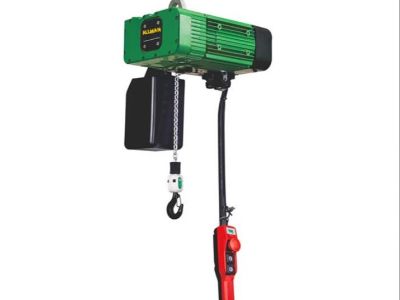
Electric chain hoists are essential tools in various industrial settings, specifically designed to handle repetitive lifting tasks with precision and efficiency. Understanding how electric chain hoists manage these tasks is crucial for purchasing managers, engineers, and other professionals tasked with optimizing material handling processes. This article will explore the key factors to consider when evaluating electric chain hoist, including performance metrics, common issues, applications across industries, and the significance of supplier reliability.
Wholesale Purchasing Tips for Quality Electric Chain Hoists
When purchasing electric chain hoists in bulk, it’s vital to focus on product specifications that align with your operational needs. Key specifications to check include load capacity, lifting speed, and the height of lift. Additionally, consider the hoist’s duty cycle, which indicates the frequency of use and the duration it can operate without overheating. For example, a engine chain hoist rated for heavy-duty use is essential in environments where it will lift heavy loads continuously.
Buyers should also evaluate the materials used in the hoist's construction, as this will affect durability and performance. High-quality steel components typically ensure longevity and reliability. Moreover, ask suppliers about customization options for specific applications, such as unique hook configurations or additional safety features.
Before finalizing a purchase, request samples or demonstrations to verify that the hoists meet your quality expectations and operational needs.
Performance and Cost Factors
The performance of electric chain hoists is influenced by several factors, including the design of the lifting mechanism and the materials used in construction. A well-engineered electric trolley chain hoist will have a smooth lifting motion, which reduces wear on components and improves operational efficiency.
Cost is often a major concern for buyers, and it is essential to evaluate both initial purchase price and long-term operational costs. For instance, while a lower-priced model may seem attractive, it might lack the durability or efficiency of higher-end options. Consider the total cost of ownership, which includes maintenance, downtime, and energy consumption.
Also, ensure that the electric chain hoist complies with relevant industry standards and certifications, as this can impact both safety and performance. Suppliers should provide documentation to support compliance claims.
Common Problems with Electric Chain Hoists and Effective Solutions
Electric chain hoists, like any machinery, can experience issues that may hinder their performance. Common problems include overheating, chain wear, and motor failure. Overheating often occurs when the hoist is operated beyond its duty cycle or in unsuitable environments, leading to premature failure. Regular maintenance, including lubrication and inspection of electrical components, can mitigate this risk.
Chain wear is another frequent concern, especially in high-use scenarios. Implementing a routine inspection schedule can help identify wear and tear early, allowing for timely replacement before it affects performance.
If a motor fails, it’s crucial to analyze the cause. Common reasons include electrical overload or environmental factors such as moisture. Ensuring that the hoist is properly rated for its intended application helps prevent these issues.
Establishing a relationship with your supplier can be beneficial for troubleshooting and obtaining replacement parts quickly when problems arise.
Exploring Applications of Electric Chain Hoists in Various Industries
Electric chain hoists are versatile tools used across many industries, including manufacturing, construction, and logistics. In manufacturing, these hoists are often used for assembly line operations, allowing for efficient movement of heavy parts. In construction, they facilitate the lifting of materials to elevated areas, increasing productivity and safety.
In logistics, electric chain hoists are instrumental in loading and unloading goods, contributing to streamlined operations in warehouses. Understanding the specific requirements of each application is crucial for selecting the right hoist. For instance, a hoist used in a food manufacturing facility might require stainless steel components for hygiene reasons, while a construction hoist may need additional safety features to handle rough conditions.
Buyers should assess the operating environment, including temperature extremes and potential exposure to chemicals, to ensure compatibility with the hoist.
Why Supplier Reliability Matters in Electric Chain Hoist Purchases
Choosing a reliable supplier is one of the most critical aspects of purchasing electric chain hoists. A trustworthy supplier will not only provide high-quality products but will also support you throughout the purchasing and operational processes. This includes offering technical support, timely delivery, and responsive customer service.
Consider suppliers with a proven track record in the industry, as they are more likely to have established quality control processes and reliable manufacturing capabilities. It’s also beneficial to evaluate their ability to provide customization options, which can be essential for meeting specific operational needs.
Furthermore, inquire about their warranty policies and after-sales service. A robust warranty indicates confidence in the product's quality and provides assurance of support in case of defects or operational issues.
By prioritizing these factors, buyers can ensure they are making informed decisions that enhance their operational efficiency and overall productivity.