 EN
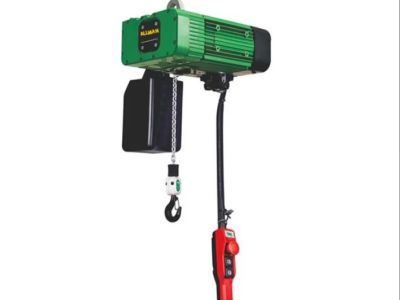
Electric chain hoists are essential tools for machine tool loading operations, enabling efficient lifting and transportation of heavy loads. As a buyer, your primary concerns likely involve the hoist's specifications, reliability, and overall value. This article will guide you through the key specifications to consider, how to find trustworthy suppliers, how to evaluate quality, cost factors for bulk purchasing, and common issues that may arise during use.
Key Specifications to Consider for Electric Chain Hoists
When selecting an electric chain hoist for machine tool loading operations, several key specifications are crucial to ensure optimal performance and safety:
Load Capacity: This is the maximum weight the hoist can lift. You must select a hoist with a capacity that exceeds your heaviest load to ensure safe operations. A common mistake is to underestimate load requirements, which can lead to equipment failure.
Lift Height: Consider the vertical distance the hoist needs to lift loads. Ensure the hoist can accommodate your specific operational requirements, as insufficient lift height may limit its application.
Speed: The lifting speed affects productivity. Evaluate the speed of the hoist to ensure it matches your operational efficiency needs. Too slow may delay operations, while too fast may compromise safety.
Power Source: Electric chain hoists can be powered by various sources, including AC or DC power. Ensure compatibility with your existing electrical systems and consider the power requirements for continuous operation.
Control Type: Hoists can have manual or electric controls. Electric controls often provide better precision and ease of use, reducing operator fatigue and enhancing safety.
Safety Features: Look for hoists with built-in safety features, such as overload protection, emergency stop buttons, and limit switches. These features are critical in preventing accidents and ensuring the longevity of the equipment.
Understanding these specifications will help you choose the right motorized chain hoist that aligns with your operational requirements.
Finding Reliable Electric Chain Hoist Suppliers
Identifying trustworthy suppliers for electric chain hoists is essential for ensuring quality and reliability. Here are practical steps to guide your search:
Industry Reputation: Look for suppliers with a strong reputation in the manufacturing industry. Research online reviews, testimonials, and case studies to gauge their reliability.
Experience: Suppliers with substantial industry experience, such as Nantong Allman Industry Co., Ltd., which has 20 years of expertise, are often better equipped to meet your needs. Their experience can lead to better customer support and product knowledge.
Certifications: Verify if suppliers hold relevant certifications that ensure their products meet industry standards. This can include safety certifications and quality management certifications.
Product Range: A supplier offering a wide range of hoists and lifting equipment can provide more options for customization, allowing you to find a solution tailored to your specific applications.
Post-Sale Support: Assess the level of support offered by the supplier after the sale. Reliable suppliers should provide training, maintenance, and troubleshooting assistance.
Sample Availability: Before making a bulk purchase, request samples to evaluate the product's performance and quality. This step is crucial for assessing compatibility with your operations.
By following these steps, you can identify reliable suppliers that meet your operational requirements.
Evaluating the Quality of Electric Chain Hoists for Your Projects
Quality evaluation is critical when selecting electric chain hoists to ensure safety and performance. Consider the following factors:
Materials Used: The quality of materials directly affects the durability and performance of the hoist. Look for engine chain hoist made from high-grade steel and corrosion-resistant components for longevity.
Manufacturing Process: Inquire about the manufacturing process and quality control measures employed by the supplier. A rigorous quality control process helps prevent defects that could lead to equipment failure.
Testing Standards: Verify if the hoists undergo thorough testing before shipment. Testing can include load testing, safety checks, and functionality assessments. Ensure the supplier provides documentation of these tests.
User Feedback: Seek feedback from current users about their experiences with the hoist. Real-world performance evaluations can reveal insights into the reliability and efficiency of the product.
Warranty and Service Conditions: Review the warranty terms offered by the supplier. A robust warranty can provide peace of mind regarding the product's durability and the manufacturer's commitment to quality.
Evaluating these aspects will enable you to select high-quality electric chain hoists, minimizing risks in your machine tool loading operations.
Cost Factors in Purchasing Electric Chain Hoists in Bulk
When purchasing electric chain hoists in bulk, several cost factors should be considered to ensure you are making a financially sound decision:
Unit Price: Bulk purchases often come with discounts, so compare unit prices from different suppliers. However, the lowest price may not always represent the best value if quality is compromised.
Shipping Costs: Factor in shipping costs when evaluating total expenses. Some suppliers may offer free shipping for larger orders, significantly affecting your overall cost.
Customization Fees: If your project requires specific modifications or custom features, inquire about any additional costs associated with customization. Understanding these fees is crucial for accurate budgeting.
Maintenance and Operating Costs: Consider long-term operational costs, including maintenance, repairs, and energy consumption. A slightly higher initial investment in a quality electric chain hoist may yield savings in maintenance and operational efficiency.
Lead Times: Assess the lead time for bulk orders, as longer lead times can affect project timelines. Suppliers with efficient production processes may help you meet tight deadlines.
Payment Terms: Review payment terms offered by the supplier, as favorable terms can aid in cash flow management.
By considering these factors, you can make informed decisions that align with your budget and operational needs.
Common Problems and Solutions with Electric Chain Hoist Use
Electric chain hoists, while efficient, can encounter several common issues. Being aware of these problems and their solutions can enhance operational efficiency:
Overloading: Exceeding the hoist's load capacity can lead to mechanical failure. Always adhere to the manufacturer's specified load limits and implement regular inspections to ensure safe operation.
Electrical Failures: Power issues or electrical component failures can disrupt operations. Regularly inspect electrical connections and components for wear and tear. Consider investing in a surge protector to safeguard against power spikes.
Chain Wear: Chains can wear over time, affecting lifting capacity. Regularly inspect chains for signs of wear, and replace them as needed to prevent accidents.
Control Malfunctions: Control systems may experience issues, such as unresponsive buttons or erratic movements. Ensure controls are regularly maintained and tested. Consider training operators on troubleshooting common control issues.
Environmental Factors: Operating in harsh environments can affect hoist performance. If used in corrosive or extreme conditions, consider hoists designed for such applications, possibly with enhanced protective coatings.
Lack of Maintenance: Regular maintenance is essential to ensure optimal performance. Implement a maintenance schedule that includes lubrication, inspections, and timely repairs to prevent breakdowns.
By anticipating these common issues and establishing preventive measures, you can maximize the efficiency and longevity of your electric chain hoist operations.