 EN
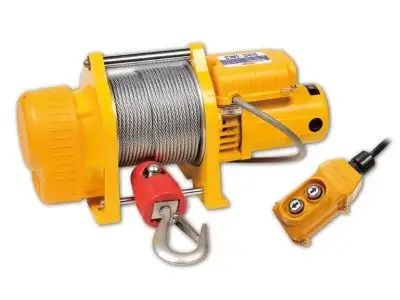
Portable electric winches are essential tools for enhancing the efficiency of field equipment handling. Designed for versatility and power, these winches facilitate the movement and positioning of heavy loads across various applications, from construction sites to industrial settings. For B2B buyers—such as purchasing managers, engineers, and product managers—understanding the specific features and advantages of portable electric winches is crucial in making informed purchasing decisions. This article will delve into how portable electric winches support equipment handling, key specifications to consider, sourcing reliable suppliers, cost factors, and solutions to common operational problems
How Portable Electric Winches Enhance Equipment Handling Efficiency
Portable electric winches significantly improve handling efficiency by providing reliable lifting power in a compact design. These winches can easily be transported and maneuvered, allowing users to set them up quickly in various environments. With features such as variable speed control and load monitoring, operators can manage loads more accurately and safely, reducing the risk of accidents and damage to equipment
Additionally, the electric nature of these winches eliminates the need for manual labor, which can be both time-consuming and hazardous. This automation not only enhances productivity but also minimizes the physical strain on workers, making it easier to handle heavy loads without extensive manpower. For companies dealing with frequent equipment movements, the integration of portable electric winches can lead to significant operational efficiencies and cost savings
Key Specifications to Look for in Portable Electric Winches
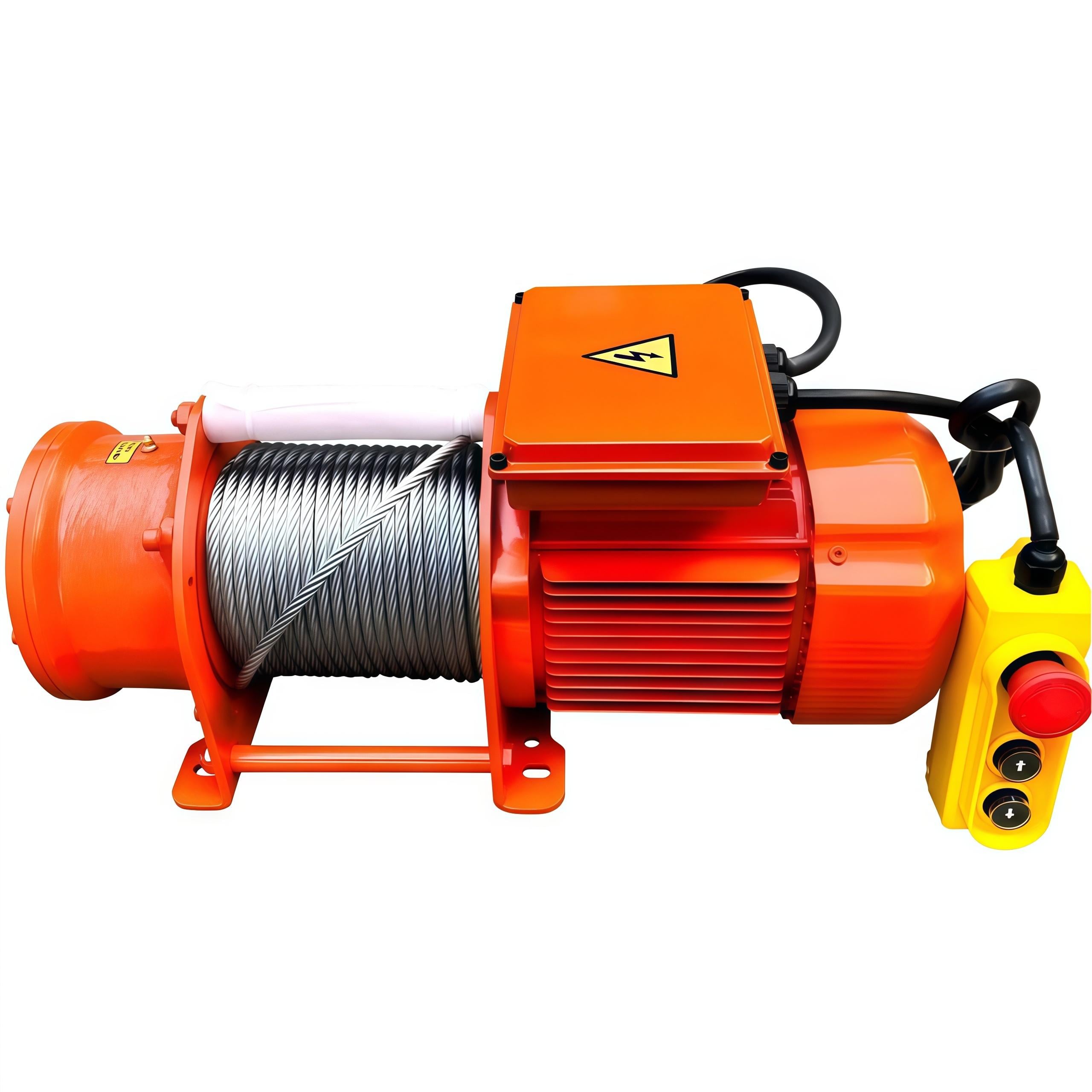
When selecting a portable electric winch, it's essential to consider specific key specifications that directly affect performance and suitability for your application
Load Capacity: This specification indicates the maximum weight the winch can handle. Buyers should select a winch with a load capacity that exceeds the heaviest load they expect to lift to ensure safety and efficiency
Lifting Speed: The speed at which the winch can lift loads is crucial for operational efficiency. A higher lifting speed allows for quicker handling of equipment, which can be a significant advantage in high-demand environments
Power Source and Voltage: Understanding the power requirements of the winch is vital. Ensure that the available power source matches the winch specifications, whether it’s a standard voltage outlet or a specialized power supply
Drum Capacity: The size of the winch drum affects how much cable or rope it can hold. Buyers should consider their application to ensure the drum size is adequate for the required reach
Safety Features: Look for winches equipped with features such as overload protection, automatic shut-off, and emergency stop buttons, which enhance operational safety
By evaluating these specifications, buyers can ensure they select a winch tailored to their specific needs and operational conditions
Where to Source Reliable Portable Electric Winch Suppliers
Finding reliable suppliers is critical for ensuring the quality and performance of portable electric winches. Here are some strategies for sourcing trustworthy manufacturers:
Industry Directories and Trade Shows: Utilizing industry-specific directories and attending trade shows can connect you with reputable manufacturers. This allows for personal interactions and immediate inquiries regarding product specifications and capabilities
Online Reviews and Ratings: Researching online reviews and ratings from previous customers can provide insight into a supplier's reliability and product quality. Look for suppliers with positive feedback regarding their winches' performance and customer service
Certifications and Compliance: Ensure that the suppliers have the necessary quality certifications and comply with industry standards. This is a marker of quality assurance in manufacturing practices
Requesting Samples: Before committing to a large order, request samples to evaluate the winch's performance under your specific operational conditions. This firsthand experience can be invaluable in assessing quality and suitability
By following these steps, you can identify suppliers who are capable of delivering high-quality portable electric winches that meet your operational requirements
Cost Factors to Consider When Buying Portable Electric Winches
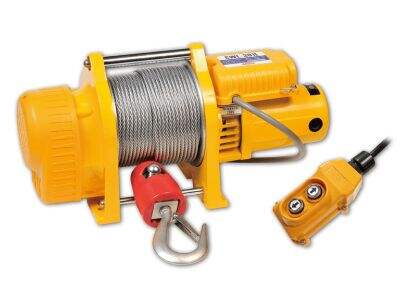
Understanding the cost factors associated with portable electric winch with remote is essential for budget planning. Here are key considerations
Purchase Price: This is the initial cost of the winch and can vary based on specifications, brand reputation, and additional features. Compare prices across different suppliers while ensuring that quality is not compromised
Operating Costs: Consider the long-term operational costs, including power consumption and maintenance. A winch that is energy-efficient may have a higher upfront cost but can offer savings over time through reduced electricity bills
Maintenance and Parts Replacement: Factor in potential maintenance costs and the availability of replacement parts. Some brands may provide longer warranties or easier access to parts, which can be a cost-saving advantage in the long run
Shipping and Handling Fees: Depending on the supplier's location, shipping costs can vary significantly. Ensure to include these costs in your total budget to avoid unexpected expenses
By thoroughly evaluating these cost factors, buyers can make more informed purchasing decisions that align with their budget and operational needs
Solutions to Common Problems with Electric Winch Operations
While portable electric winches are generally reliable, users may encounter common operational problems. Here are some solutions
Overloading: One of the most common issues is exceeding the winch's load capacity. To prevent this, ensure that operators are well-trained in load limits and utilize load monitoring features if available
Cable Wear and Tear: Regularly inspect cables for signs of wear, such as fraying or kinking. Establish a routine maintenance schedule to replace or repair cables before they fail
Power Supply Issues: Winches may experience performance issues if the power supply is inconsistent. Ensure that the power source is stable and matches the winch specifications. Using voltage regulators can also help maintain a consistent power supply
Control Malfunctions: If the winch's controls become unresponsive, check for loose connections or damaged wiring. Regular maintenance checks can help identify these issues early and prevent operational downtime
By addressing these common problems proactively, buyers can enhance the reliability and efficiency of their electric winch operations
Understanding how small portable electric winches support field equipment handling, their key specifications, sourcing reliable suppliers, cost factors, and common operational problems can empower B2B buyers to make well-informed purchasing decisions. This knowledge ultimately enables organizations to enhance their material handling capabilities and operational efficiency
Table of Contents
- How Portable Electric Winches Enhance Equipment Handling Efficiency
- Key Specifications to Look for in Portable Electric Winches
- Where to Source Reliable Portable Electric Winch Suppliers
- Cost Factors to Consider When Buying Portable Electric Winches
- Solutions to Common Problems with Electric Winch Operations