EN
EN
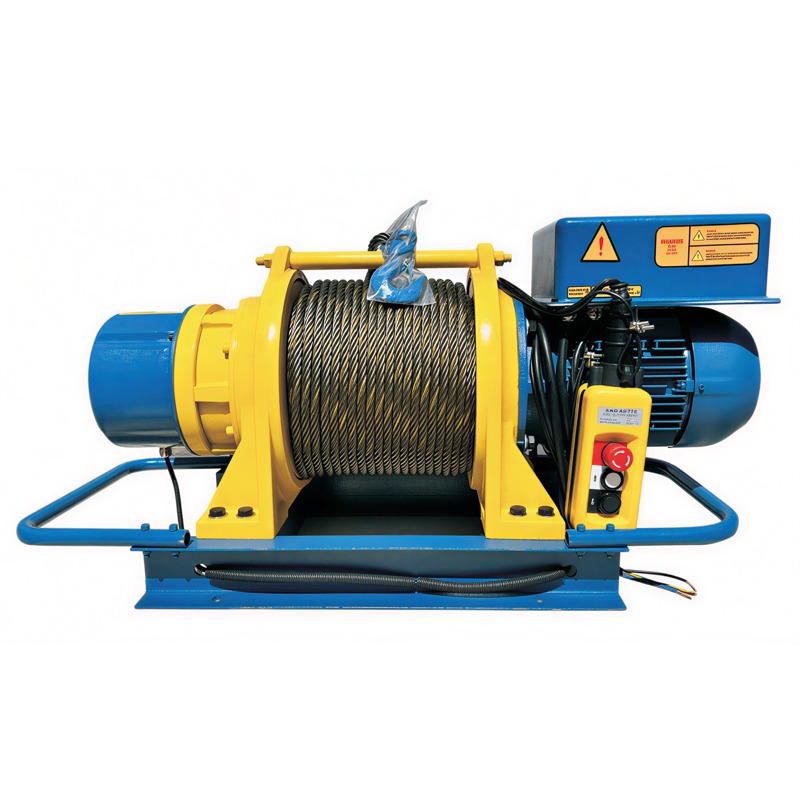
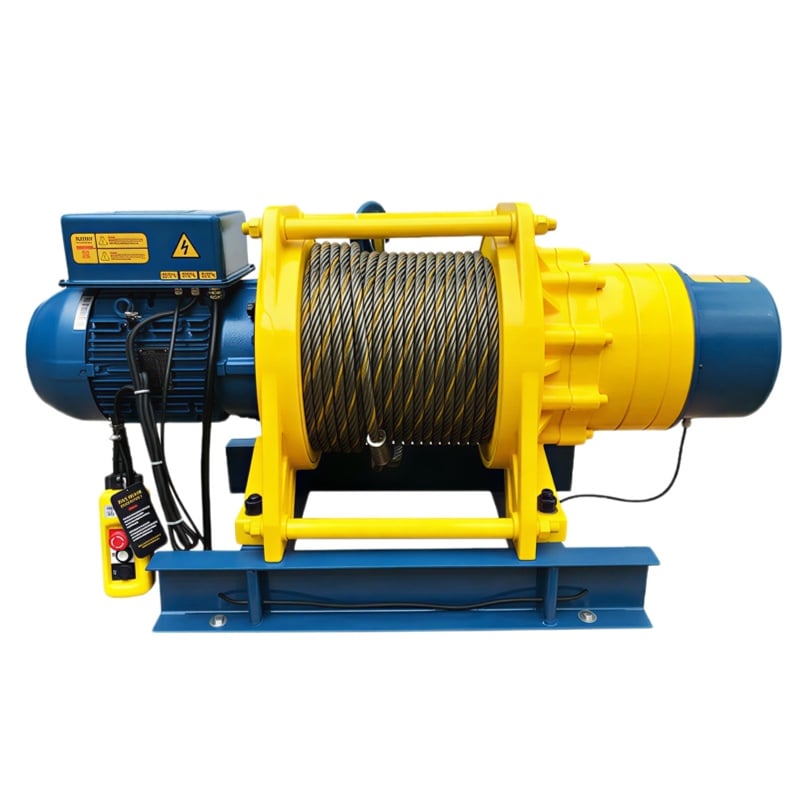
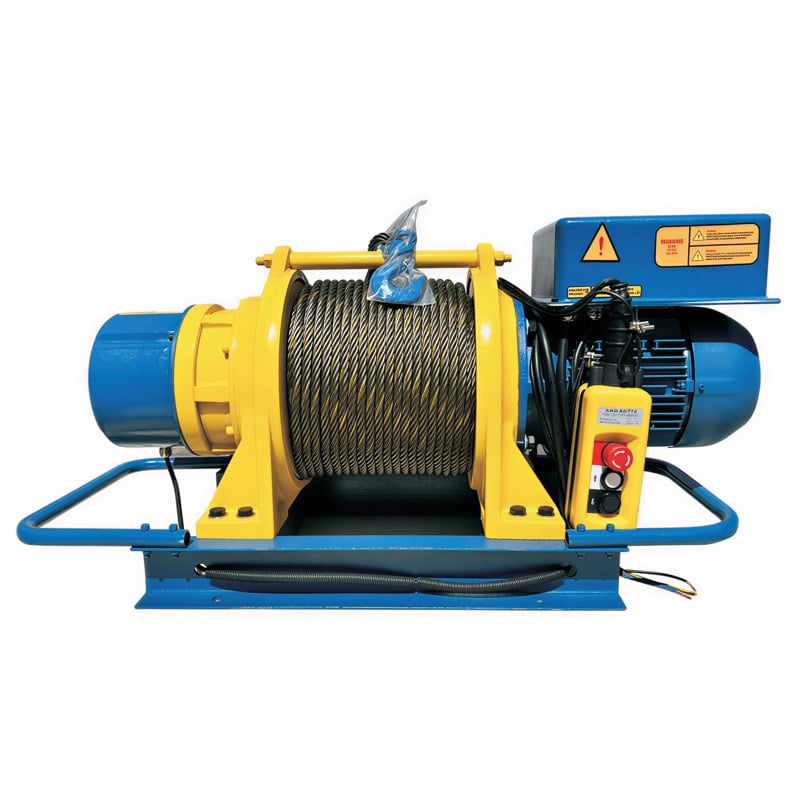
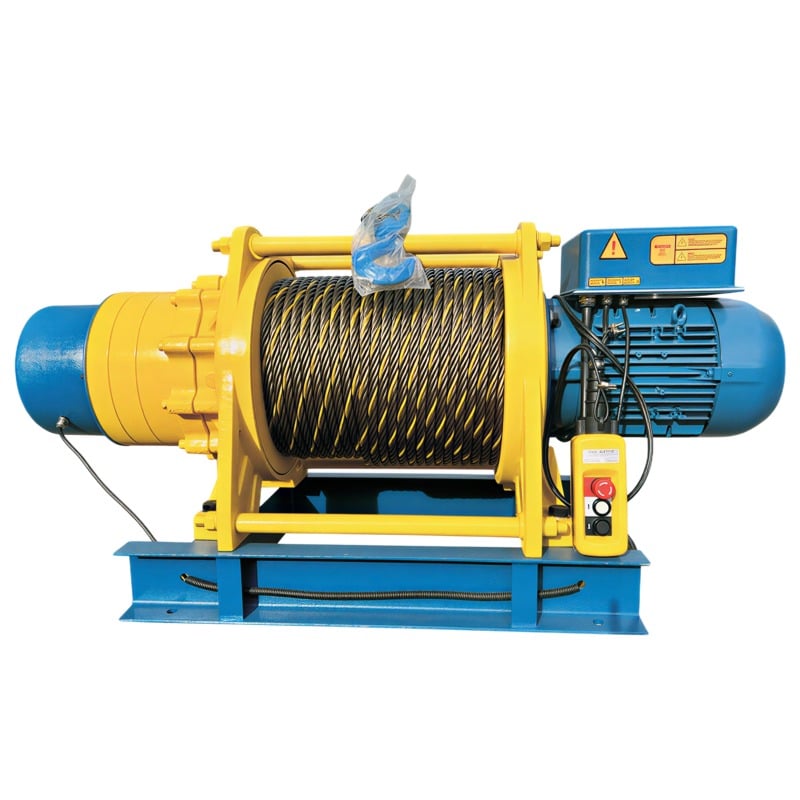
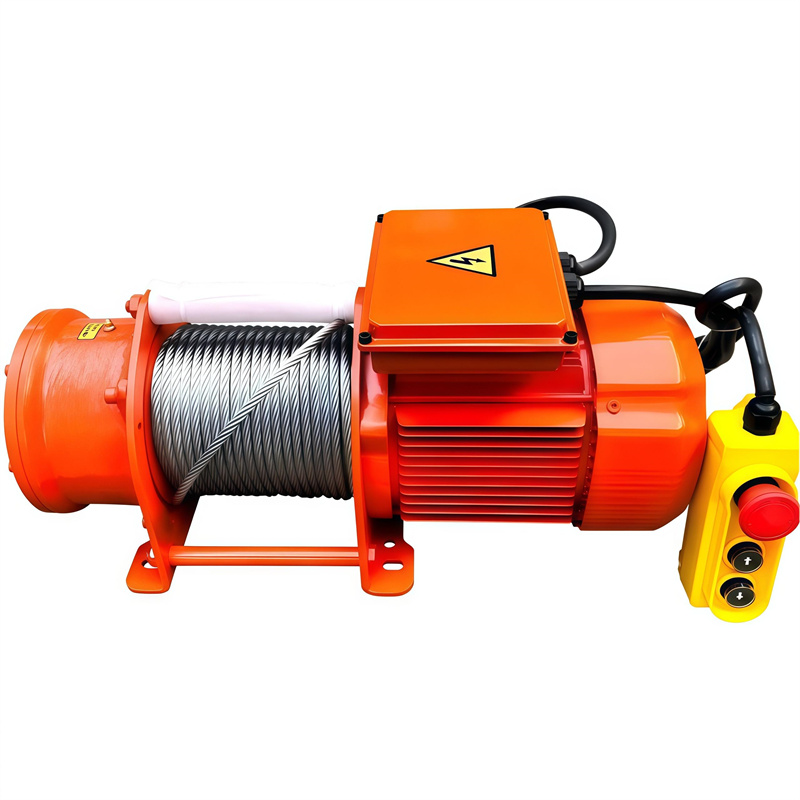
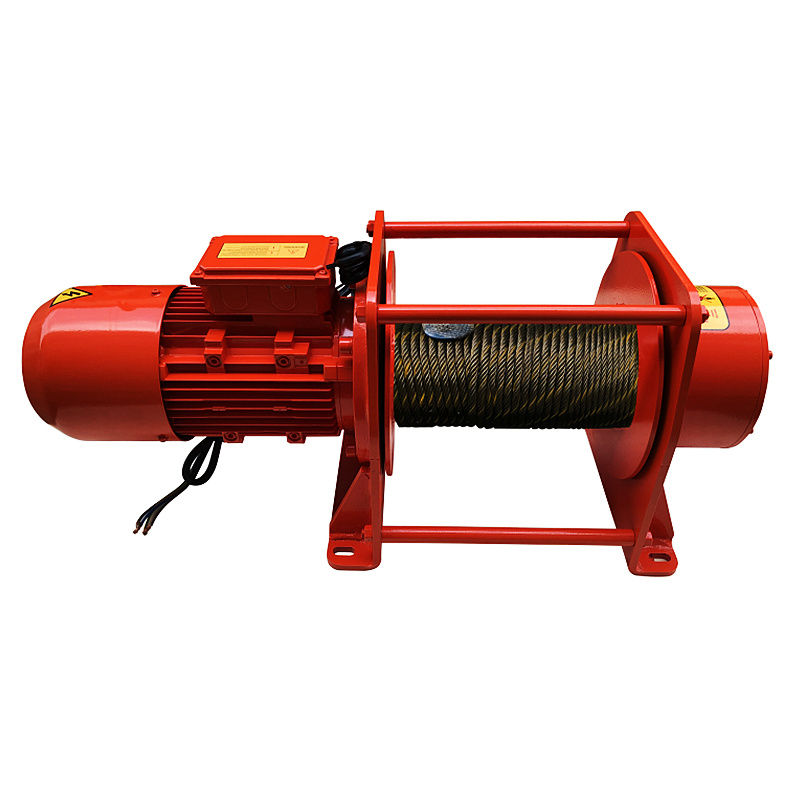
—ALLMAN Heavy Duty Electric Winch Model AMWE CE Certification | ISO 9001 | Long Lifespan
Question: How should the wire rope come off an electric winch — from the top or from the bottom?
Answer: The correct rope winding direction is an important part of electric winch installation and operation.
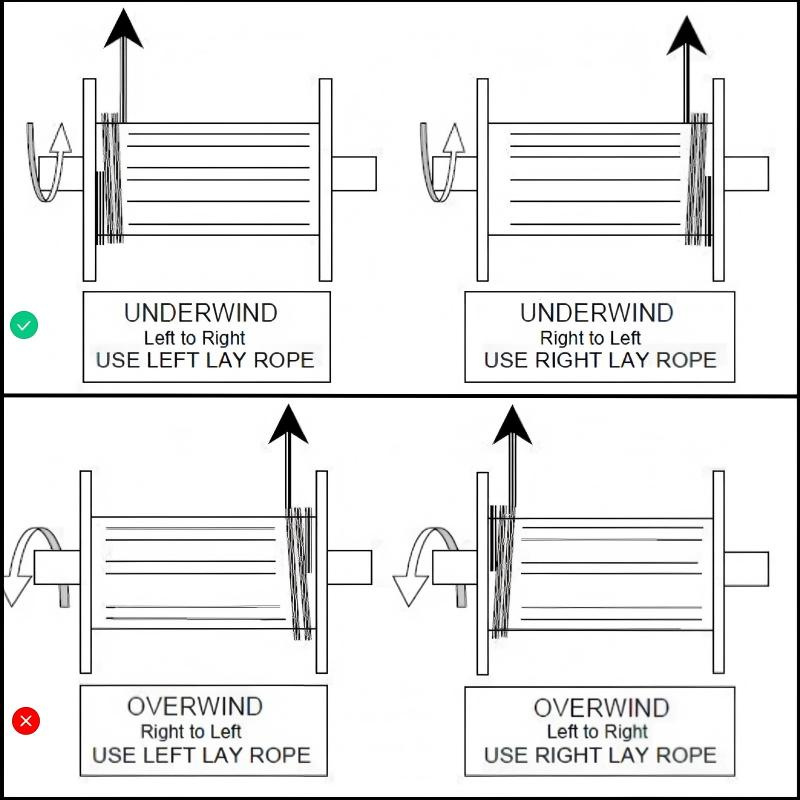
For this winch configuration, the wire rope is designed to wind and unwind from the bottom of the drum. Correct under-winding helps maintain the designed load path, brake operation and rope alignment during operation.
Whether you are using an electric winch for lifting, pulling, construction, equipment installation or material handling, understanding the correct wire rope direction is essential before putting the winch into service.
The answer depends on the specific winch design, drum rotation and manufacturer's instructions.
For this ALLMAN winch configuration, under-winding is the recommended operating direction.
Bottom Winding — Recommended
When the wire rope leaves the bottom of the drum, the load is applied through the intended direction of the winch structure.
Benefits include:
※Top Winding — Not Recommended for This Configuration
When the wire rope leaves from the top of the drum, the direction of the load and the drum rotation may differ from the design requirements of the winch.
Depending on the winch construction, incorrect winding direction may affect:
※Brake performance
※Mounting loads
※Rope alignment
※Drum loading
※Overall operating safety
Always follow the winding direction specified for the particular winch model.
The direction in which the wire rope leaves the drum is not simply an installation preference.
It affects how the load is transferred through the winch, how the drum rotates and, depending on the design, how the braking system operates.
1. Load Distribution
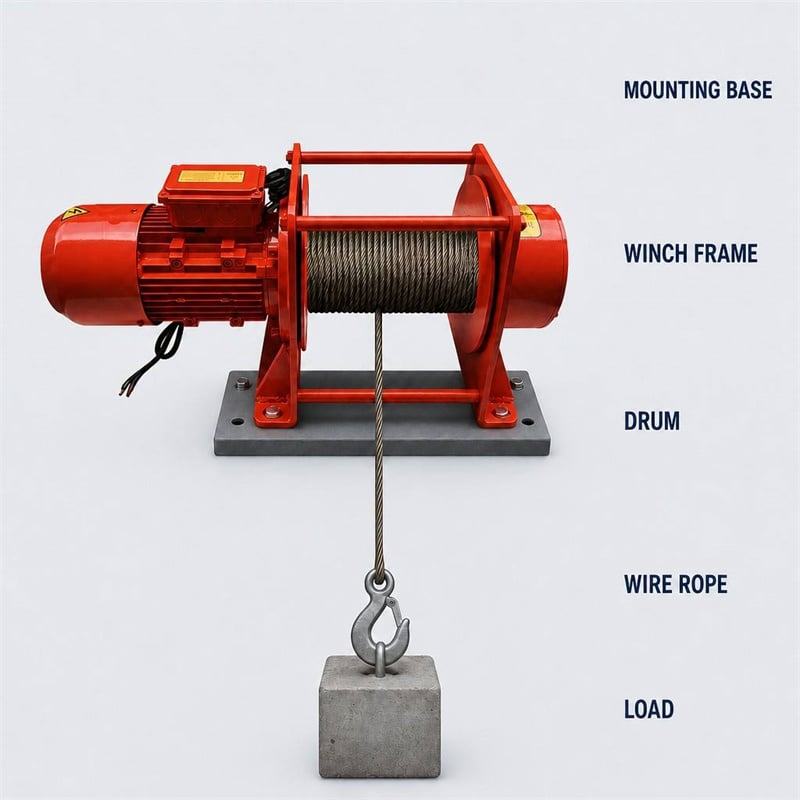
When a load is applied to the wire rope, the pulling or lifting force is transferred back to the winch frame and mounting structure. The correct rope direction helps keep the load path consistent with the intended winch design.
For this reason, the winch should always be installed and operated according to the manufacturer's specified rope direction.
2. Brake Performance
Electric winches use a braking system to control and hold the load. The brake and drum rotation are designed to work together in a specified direction. Operating the winch with an incorrect rope winding direction may affect braking performance on models where the brake is direction-dependent.
Correct rope direction is therefore part of safe winch operation.
3. Wire Rope Alignment
The wire rope should leave the drum in a controlled direction and remain properly aligned with the load path.
Incorrect positioning can increase side loading, uneven winding or abnormal rope movement.
4. Mounting Structure
The winch mounting base must withstand the forces generated during operation. Correct rope orientation helps maintain the intended relationship between the wire rope, drum and mounting structure.
A properly selected winch is only one part of a safe lifting or pulling system. Correct installation matters too.
4 Steps for Correct Electric Winch Installation:
Before operating an electric wire rope winch, check the rope direction, drum position, mounting structure and wire rope condition.
1. Step 1 — Confirm the Winding Direction
Check the winch manual and product markings before installation.
For this winch configuration, the wire rope should be operated in the specified under-winding direction. Do not change the rope direction simply to accommodate an installation layout without first confirming that the winch is designed for that configuration.
2. Step 2 — Keep the Rope Aligned With the Drum
The wire rope should enter and leave the drum as directly as practical.
Avoid excessive side pulling or an unsuitable fleet angle. Poor alignment can cause uneven winding and additional stress on the wire rope.
3. Step 3 — Maintain Tension During Winding
When winding the wire rope back onto the drum, maintain sufficient tension so that the rope forms compact and even layers. Loose or uneven winding can cause the rope to become trapped between layers or pile up on one side of the drum.
4. Step 4 — Keep the Required Number of Rope Wraps
Do not completely unwind the wire rope from the drum during normal operation. A sufficient number of wraps must remain on the drum according to the manufacturer's instructions to keep the rope securely anchored.
Correct installation helps the winch perform as designed and reduces avoidable wear on the wire rope and drum.
Question: Does a Winch Have the Same Pulling Capacity on Every Rope Layer?
Answer: Not necessarily.
As more wire rope is wound onto the drum, the effective drum diameter increases. This changes the mechanical relationship between the drum, motor and wire rope.
As a result, the pulling or lifting capacity and rope speed may vary according to the rope layer.
The first layer is the wire rope closest to the drum surface. It normally provides the highest mechanical advantage and is often the reference point for rated pulling performance.
As additional layers build up:
Effective drum diameter increases
Wire rope speed can increase
Available line pull can change
Drum capacity is consumed layer by layer
For this reason, when comparing different electric winches, do not compare products only by the headline capacity.
Also check:
Rated capacity + rope diameter + rope length + drum capacity + rope layers + motor power + working duty
|
Model |
AMW-E 500 |
AMW-E 1000 |
AMW-E 2000 |
AMW-E3000 |
AMW-E 5000 |
|
Capacity(t) |
0.5 |
1 |
2 |
3 |
5 |
|
Rope Length(m) |
30m/50m/60m/100m/120m/150m (Accept Customization) |
||||
|
Working Speed(m/min) |
10-14 |
10-14 |
7-13 |
7-13 |
9-16 |
|
Motor Power(kw/hp) |
1.5Kw (2.0hp) |
3.0Kw (4.1hp) |
5.5Kw (7.5hp) |
7.5Kw (10.2hp) |
15.0Kw (20.4hp) |
|
Rope Diameter(mm) |
7 |
10 |
13 |
16 |
18 |
|
Power Supply |
220V~240V, 50/60Hz, 1Ph |
||||
|
220V~525V, 50/60Hz, 3Ph |
|||||
※What to Check Before Ordering:
1. Required lifting or pulling capacity
2. Required wire rope length
3. Required lifting or pulling speed
4. Power supply at the installation site
5. Working frequency
6. Installation orientation
7. Required control method
8. Available mounting space
9. Environmental conditions
Need help selecting the right configuration? Contact our technical team with your application requirements.
Electric winches can be used for lifting construction materials, equipment and components where a controlled lifting solution is required.
Electric wire rope winches can be used for repetitive material handling operations in workshops, warehouses and industrial environments.
A properly configured winch can assist with lifting, positioning and pulling tasks during equipment maintenance and installation.
Tips: Customized Winch Solutions
Different applications require different combinations of capacity, rope length, speed, motor power and control method. If your application has specific requirements, provide us with:
“Load + Lifting Height + Rope Length + Working Frequency + Power Supply + Installation Method”
Our team can recommend a suitable winch configuration.
Q1: Should the wire rope come off the top or bottom of a winch?
A1: The correct direction depends on the winch design and manufacturer's instructions. For this ALLMAN winch configuration, the wire rope is designed for under-winding from the bottom of the drum.
Q2: Can I use the winch with the wire rope coming off the top?
A2: Do not change the rope direction unless the winch manufacturer confirms that the specific model is designed for that configuration. Incorrect winding direction may affect load distribution, rope alignment or brake operation depending on the winch design.
Q3: Why does a winch need a specific rope winding direction?
A3: The winding direction determines the relationship between the wire rope, drum rotation, brake system and mounting structure. Correct orientation helps the winch operate according to its designed load path.
Q4: How should I wind the wire rope onto the drum?
A4: The wire rope should be wound evenly and under sufficient tension. Avoid loose or overlapping winding and maintain the required number of wraps on the drum.
Q5: Can the winch pull at the same capacity on every rope layer?
A5: Not necessarily. The effective drum diameter increases as additional rope layers build up, which can change the available line pull and rope speed.
Q6: How much wire rope should remain on the drum?
A6: The required number of remaining wraps depends on the winch design and manufacturer's instructions. Never completely unwind the rope during normal operation.
Q7:What information do I need when choosing an electric wire rope winch?
A7: At minimum, provide the required load capacity, lifting or pulling height, wire rope length, required speed, working frequency, power supply and installation method.
Q8: Can an electric winch be customized?
A8: Depending on the model, options may include wire rope length, motor configuration, control method, voltage, speed and other application-specific requirements.
Nantong Allman Industry Co.,Ltd. is a professional manufacturer specializing in the manufacturing and export of high-quality lifting&material handling equipment in China.
Room 1503, Building#2, No.#166, North Street, Nantong City, Jiangsu Province, China.
Copyright © Nantong Allman Industry Co.,Ltd. All Rights Reserved Privacy Policy Blog