EN
EN
一、Introduction
When it comes to material handling solutions, choosing between a winch and a chain hoist is a common dilemma for project managers and procurement officers. While both are used for moving heavy loads, they serve fundamentally different purposes. As a leading lifting equipment manufacturer, we’ve created this guide to help you understand the core differences and make an informed purchase.
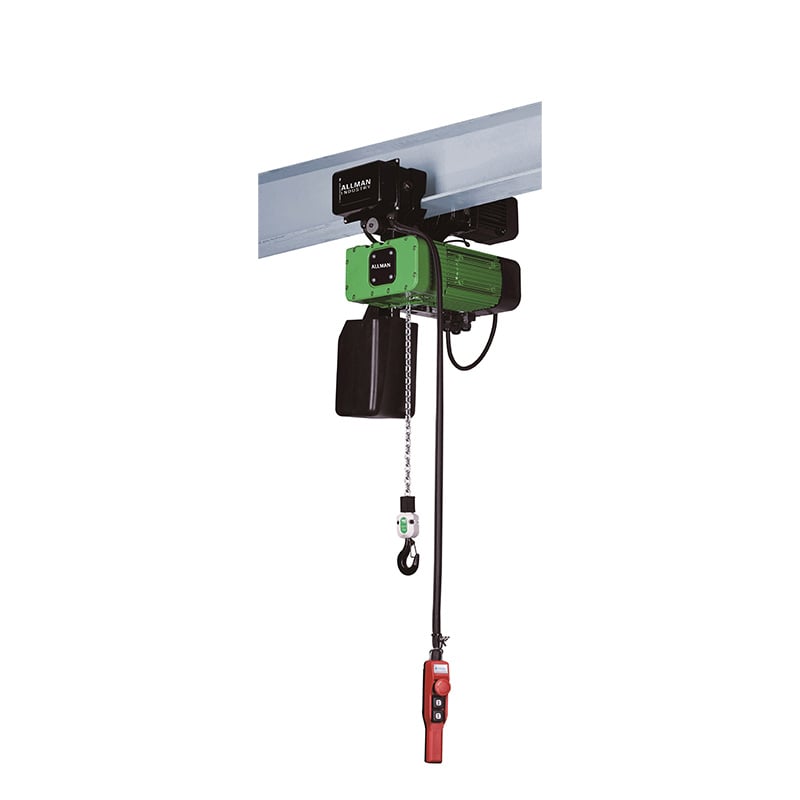
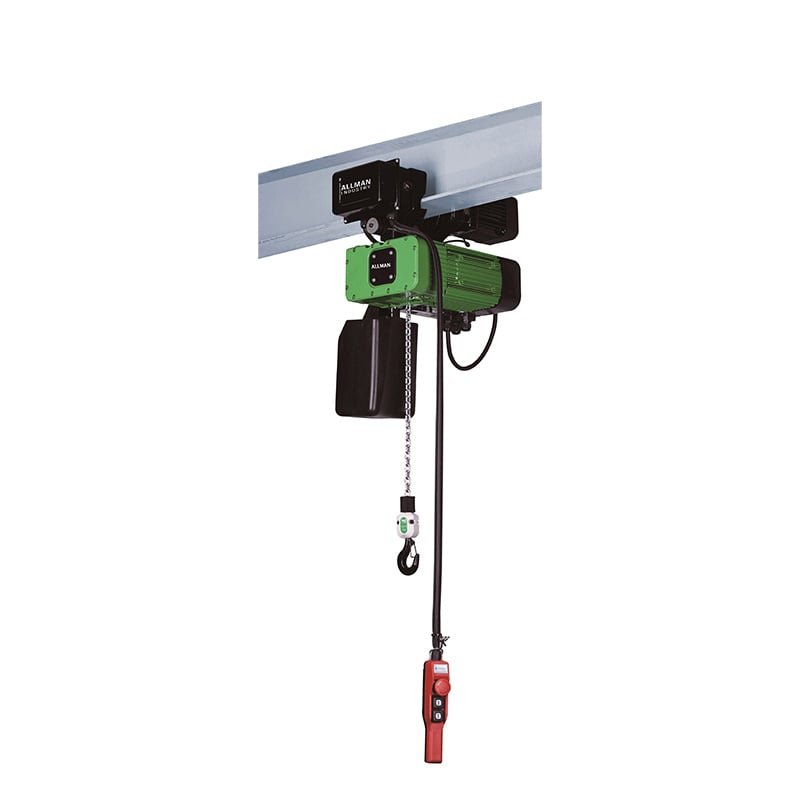
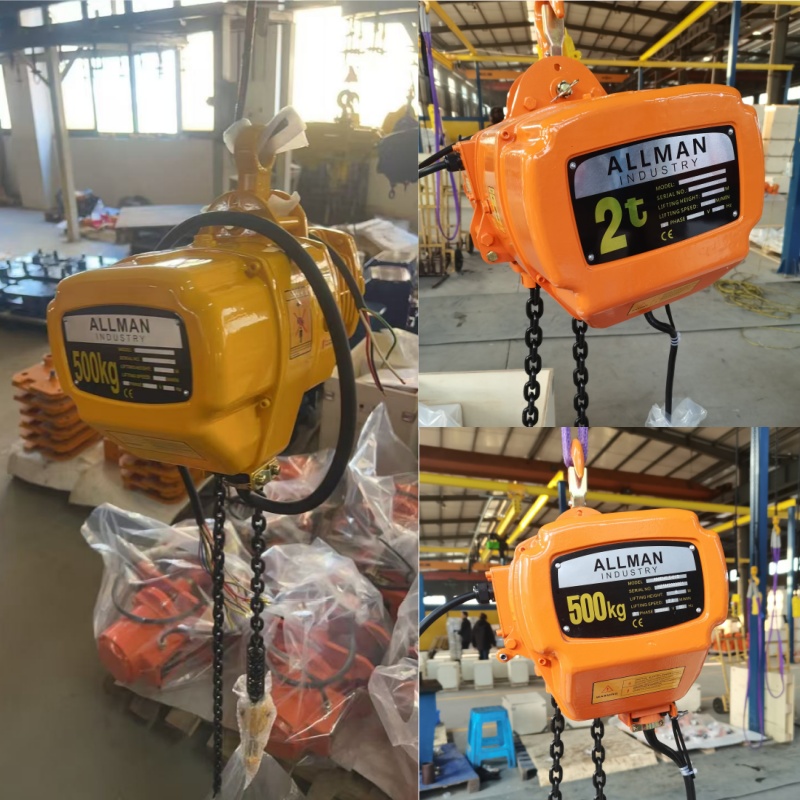
二、What is an Electric Chain Hoist?
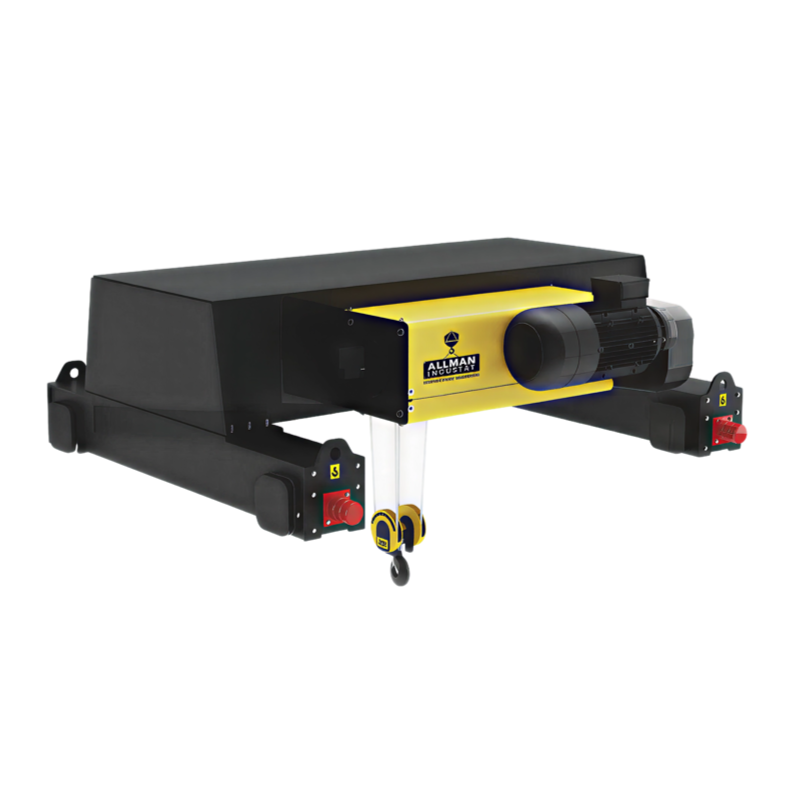
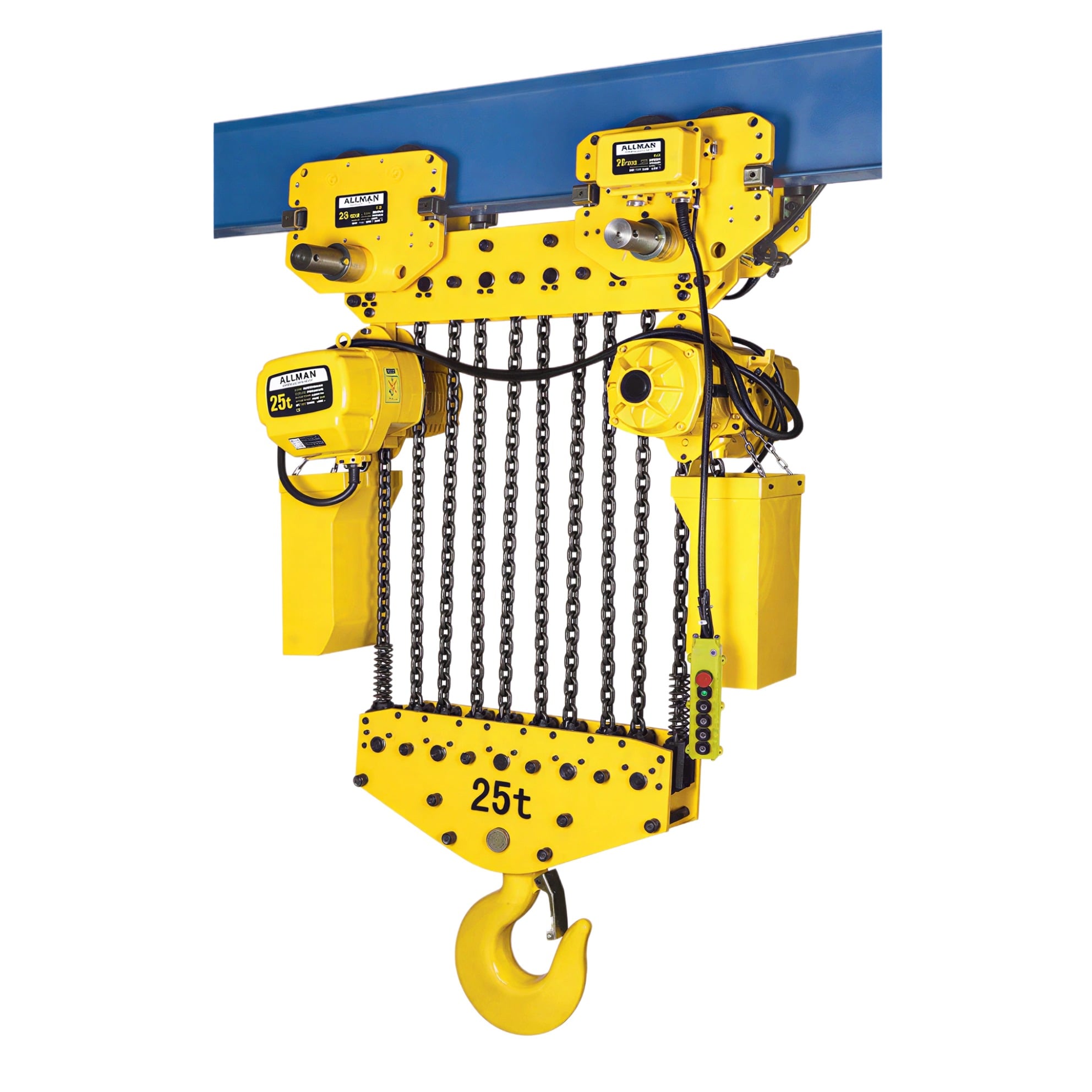
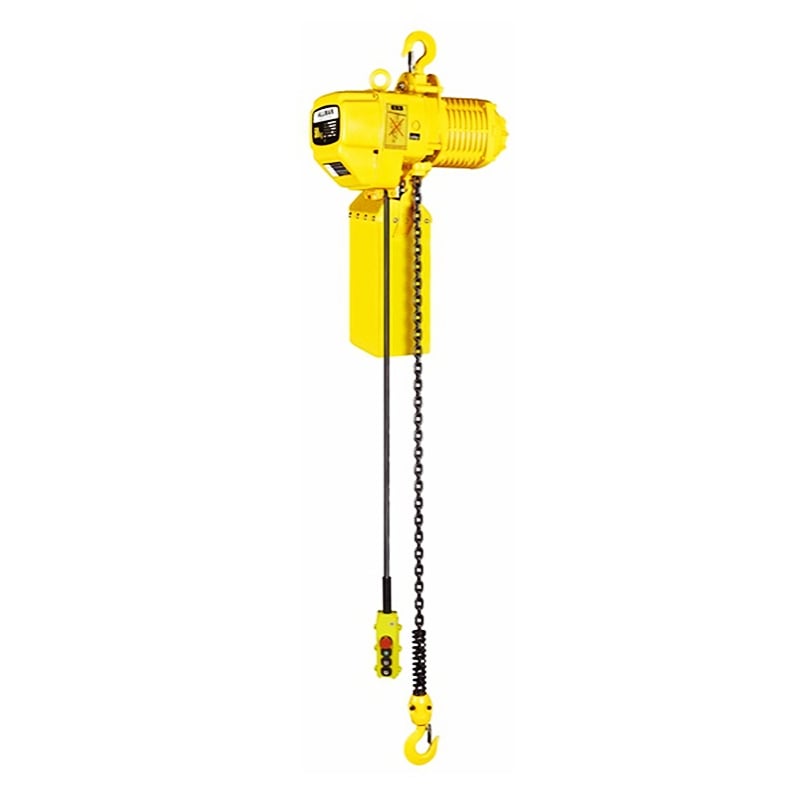
An electric chain hoist is a device used for vertical lifting and lowering. The chain hoist uses an alloy steel chain as the medium and is designed for precision. Most industrial chain hoists are equipped with a mechanical brake system that ensures the load remains locked when power is off, making chain hoist the safest choice for overhead lifting in workshops and factories.
三、What is an Electric Winch?
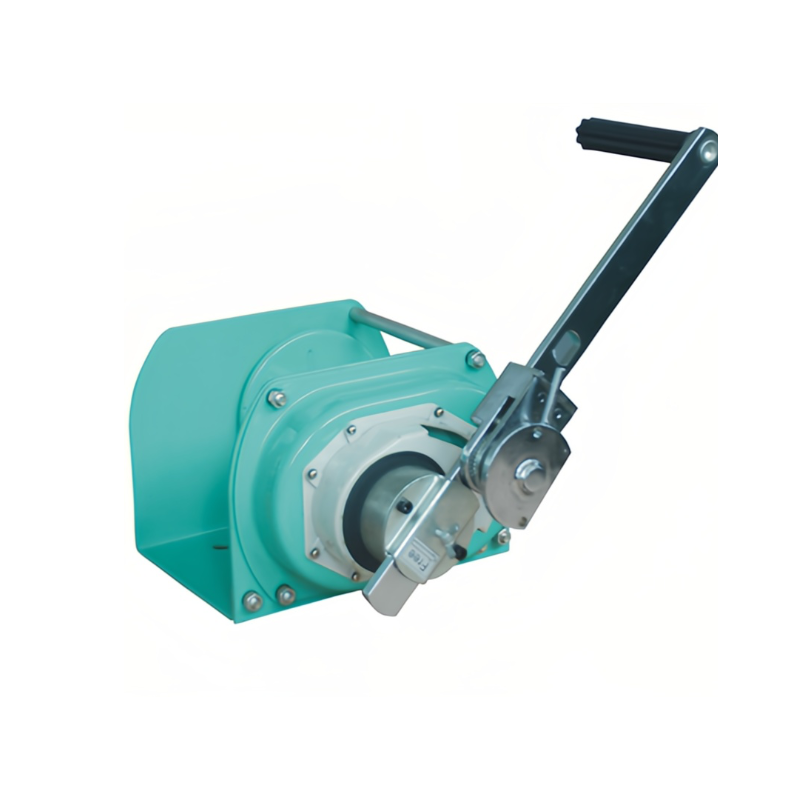
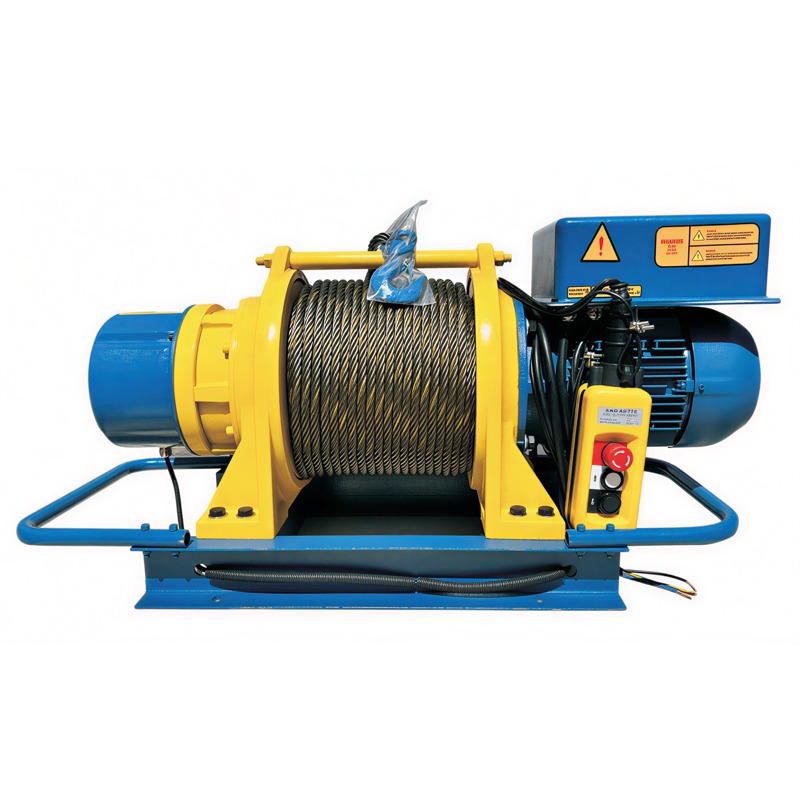
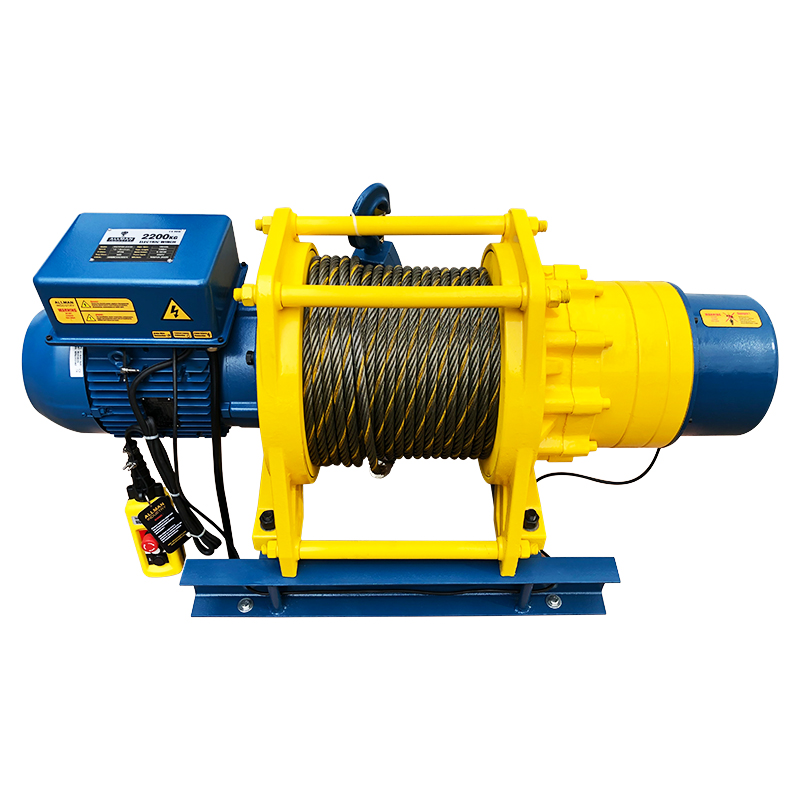
An electric winch (often referred to as an electric wire rope winch) is primarily designed for horizontal pulling and inclined dragging. Electric wire rope winch uses a wire rope wrapped around a drum. While some heavy-duty electric wire rope winches are rated for lifting, their primary strength lies in moving loads over long distances, such as on construction sites or in marine applications.
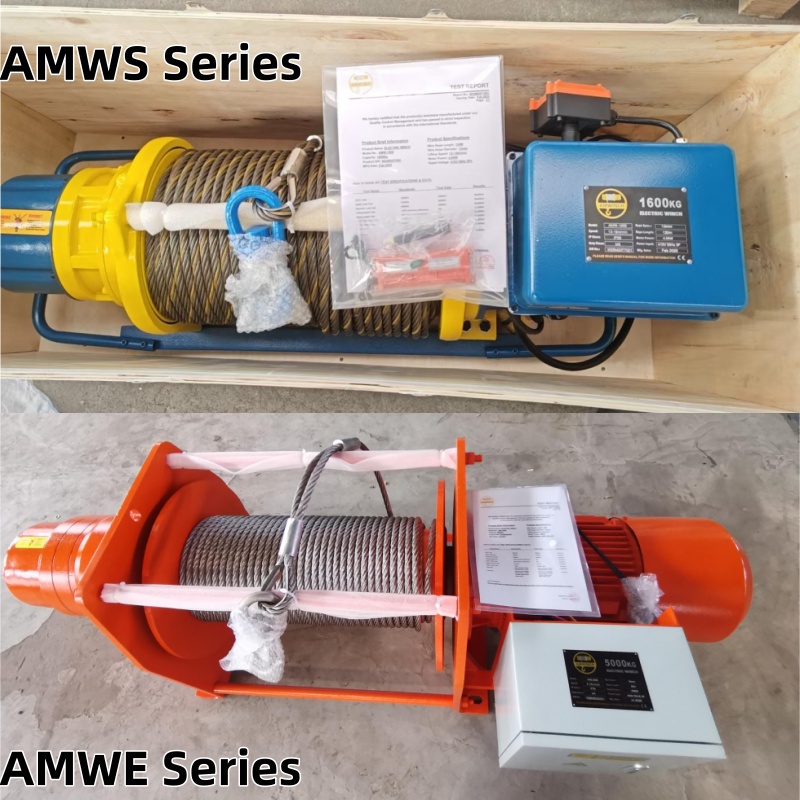
四、Key Differences: Winch vs. Hoist
|
Feature / Scenario |
Electric Chain Hoist |
Electric Winch |
|
Primary Function |
100% Vertical Lifting. Designed for moving loads up and down. |
Horizontal Dragging & Inclined Pulling (Vertical lift could be supported by so using together with pulleys). |
|
Lifting Medium |
G80 Alloy Steel Chain. Durable, wear-resistant, and low maintenance. |
Steel Wire Rope. Allows for much longer working distances. |
|
Safety & Braking |
Superior Safety. Features dual braking systems (side magnetic brake & electromagnetic). |
Standard Safety. Reliable braking, but primarily focused on load holding. |
|
Precision & Speed |
High Precision. Steady, slow speeds for accurate positioning (inching). |
High Efficiency. Faster line speeds; less focus on millimeter-level precision. |
|
Working Distance |
Limited. Typically 3m to 30m (due to chain container size). |
Extremely Long. Can reach 100m+ (accept customization). |
|
Installation |
Mounted on I-Beams, Jib Cranes, or fixed suspension points. |
Mounted on the ground, platforms, or flat concrete bases. |
|
Best Choice IF... |
You need to lift heavy items in a factory, workshop, or production line. |
You need to pull loads on construction sites, mines, or marine docks. |
|
Core Advantage |
Safety & Precision for overhead material handling. |
Versatility & Range for long-distance towing or high-rise lifting. |
五、Conclusion
In short, for vertical precision and maximum safety in a factory, go with an electric chain hoist. For long-distance pulling or high-altitude construction, an electric winch is your best bet.
Still unsure? As a professional electric winch and hoist supplier, we, Allman Industry Co., Ltd, provide custom lifting solutions tailored to your needs. Contact us for a free consultation and quote!
六、FAQ
Q: What is the maintenance difference between chains and wire ropes?
A: Alloy steel chains are more durable and easier to inspect (check for link deformation), while wire ropes require frequent lubrication and are prone to kinking or fraying over time. As a professional lifting equipment manufacturer, we recommend a monthly inspection for both to ensure operation safety and equipment longevity.
Q: How do I choose between a single-phase and a 3-phase hoist?
A: This depends on your power supply and workload. Single-phase hoists (220V) are ideal for light-duty, intermittent use in small garages or shops. A 3-phase electric chain hoist is designed for heavy-duty industrial environments, offering higher efficiency, longer duty cycles, and more stable performance for continuous lifting.
Q: Which equipment is better for outdoor construction sites?
A: An electric winch (specifically a construction winch) is often preferred for outdoor sites due to its ability to handle extremely long distances and its rugged mounting options. However, ensure the winch has an appropriate IP rating (like IP54 or IP55) to protect against dust and water. For indoor workshops, the compact design of an electric hoist is superior.
Q: Can I use an electric winch for vertical lifting?
A: Technically, some heavy-duty electric winches are rated for lifting, but we generally do not recommend it for overhead lifting where people are present. Unlike an electric chain hoist, most winches are designed for pulling and may not have the secondary safety brakes required for secure vertical suspension. If safety and precision are your priorities, a 3-phase chain hoist is the better choice.
Nantong Allman Industry Co.,Ltd. is a professional manufacturer specializing in the manufacturing and export of high-quality lifting&material handling equipment in China.
Room 1503, Building#2, No.#166, North Street, Nantong City, Jiangsu Province, China.
Copyright © Nantong Allman Industry Co.,Ltd. All Rights Reserved Privacy Policy Blog