EN
EN
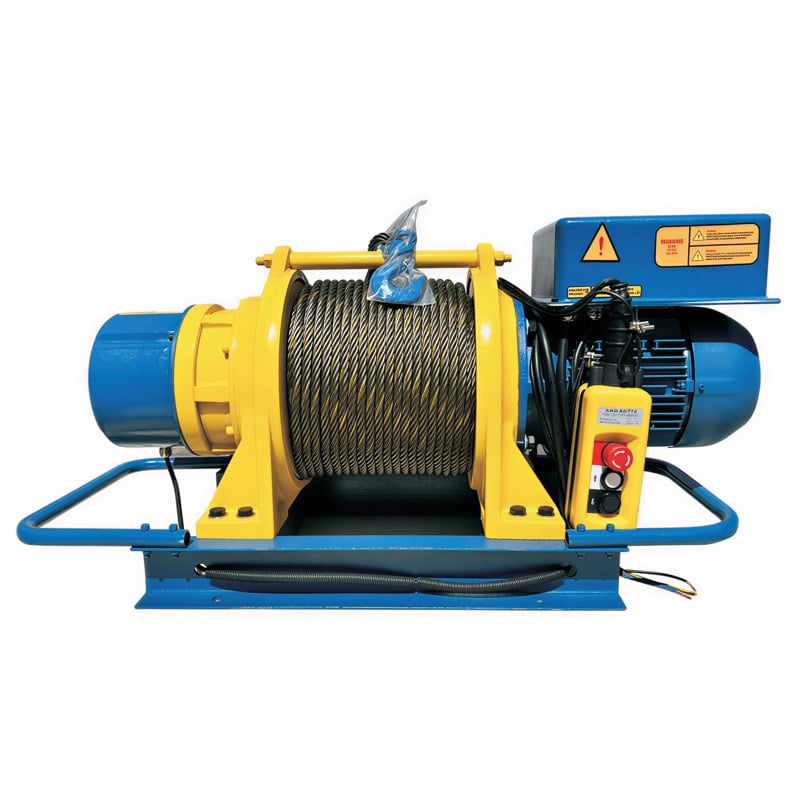
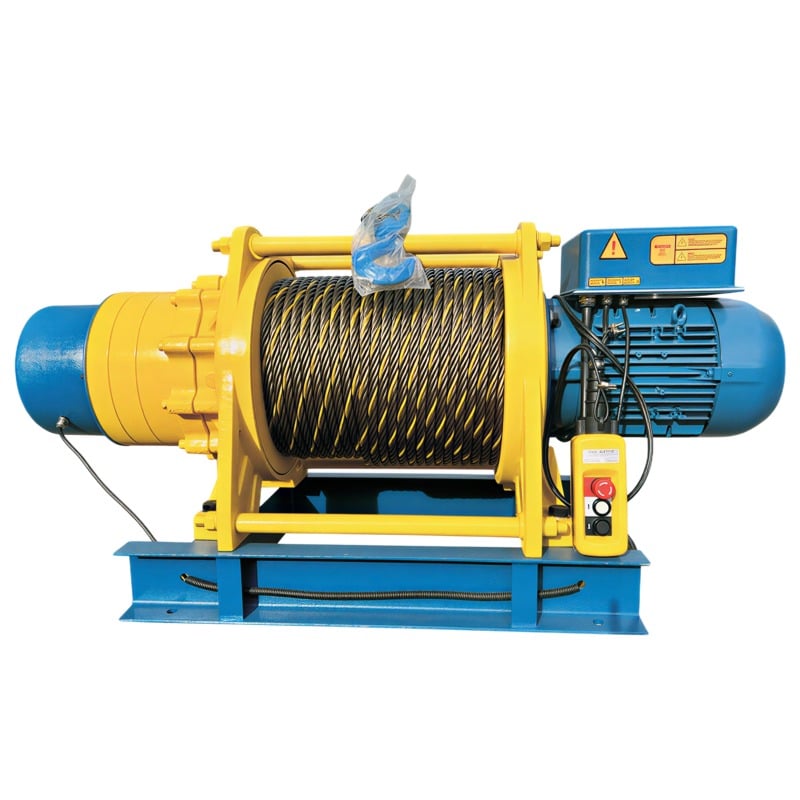
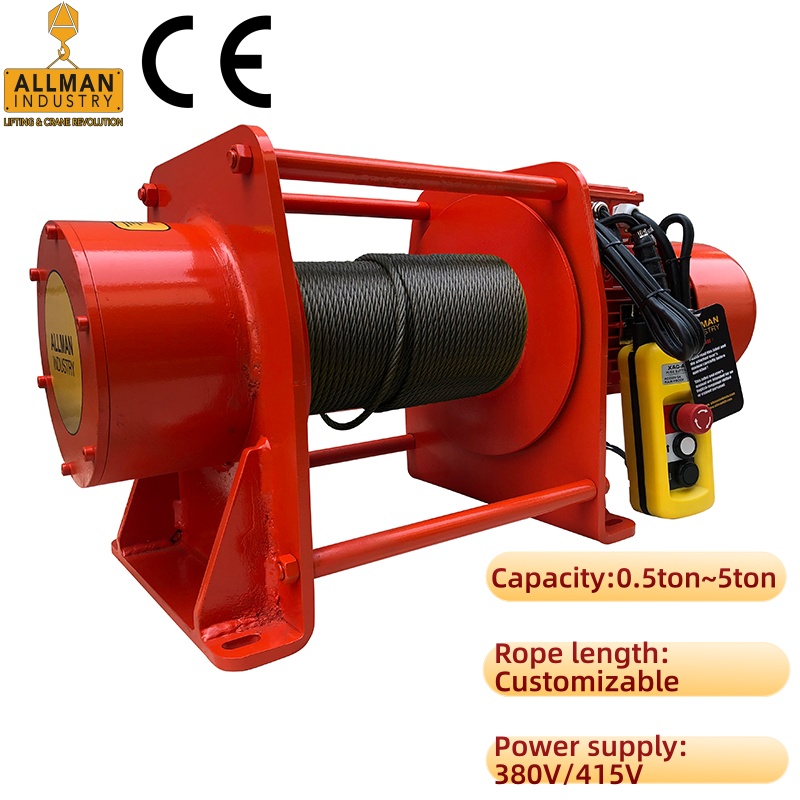
In the realm of heavy-duty material handling, selecting the right electric wire rope winch is critical to ensuring project safety, efficiency, and regulatory compliance. However, many purchasing managers and engineers frequently encounter unexpected issues—such as incompatible site voltages, insufficient duty ratings, or failure to pass local safety inspections.
In this comprehensive guide, we will break down the three core factors you must consider before purchasing an industrial electric wire rope winch, and demonstrate how ALLMAN addresses and eliminates these pain points through customized design solutions.
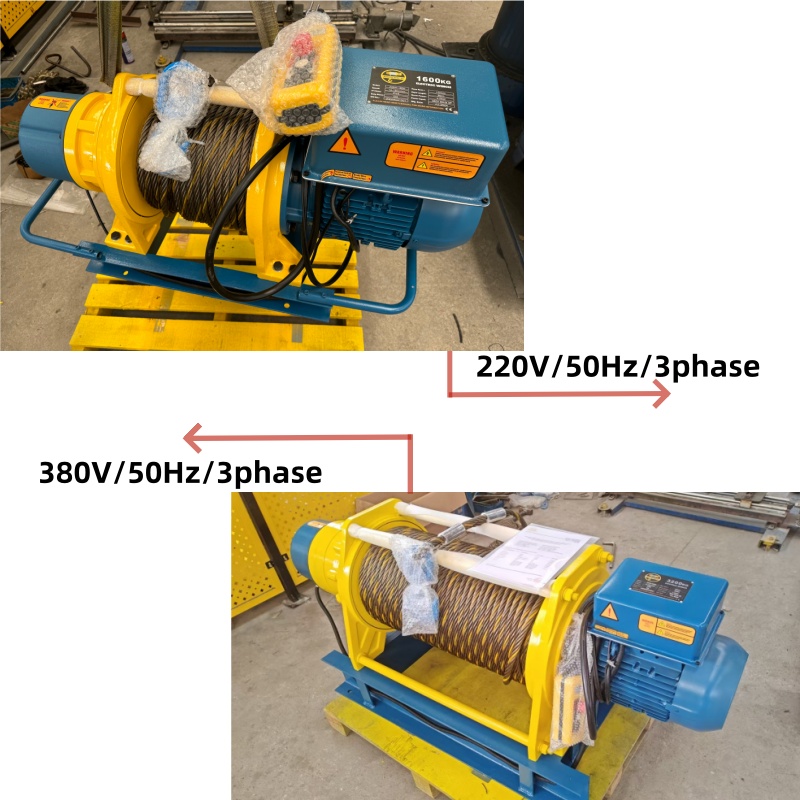
1. Voltage Customization: The Limitations of Single-Phase vs. Three-Phase Power
One of the most common reasons why imported pulling winch electrical fail to operate on-site is a voltage mismatch. Industrial power grids vary significantly across the globe, making the pulling winch electrical difficult for standard configurations to meet the specific requirements of every region.
lSingle-Phase Power (220V/240V): Suitable for light-duty, residential, or temporary commercial settings where standard industrial power supplies are unavailable. However, single-phase motors typically generate lower torque and have shorter continuous duty cycles.
lThree-Phase Power (220V/380V/400V/415V/440V/ 480V): The workhorse of heavy industrial lifting. Three-phase power provides the stable torque required for continuous hoisting operations; however, you must ensure that the manufacturer can precisely customize the voltage and frequency (50Hz/60Hz) to match your local power grid.
At ALLMAN, we do not merely sell "generic" products. We offer a comprehensive range of customized voltage configurations—including specialized 400V options for European and Singaporean markets, as well as 440V/480V options compliant with U.S. standards. Our pulling winches electrical are designed to be "Ready-to-Use" upon arrival, thereby eliminating the risks associated with customers having to perform their own modifications or install external transformers.
2.Duty Ratings and Equipment Classifications: Why M4 and M5 Are Crucial
Do not focus solely on lifting capacity specifications (e.g., 5 tons, 10 tons). If your project involves high-frequency operations, the *Duty Rating* (or Work Level) is the critical factor determining the service life of the heavy duty winch.
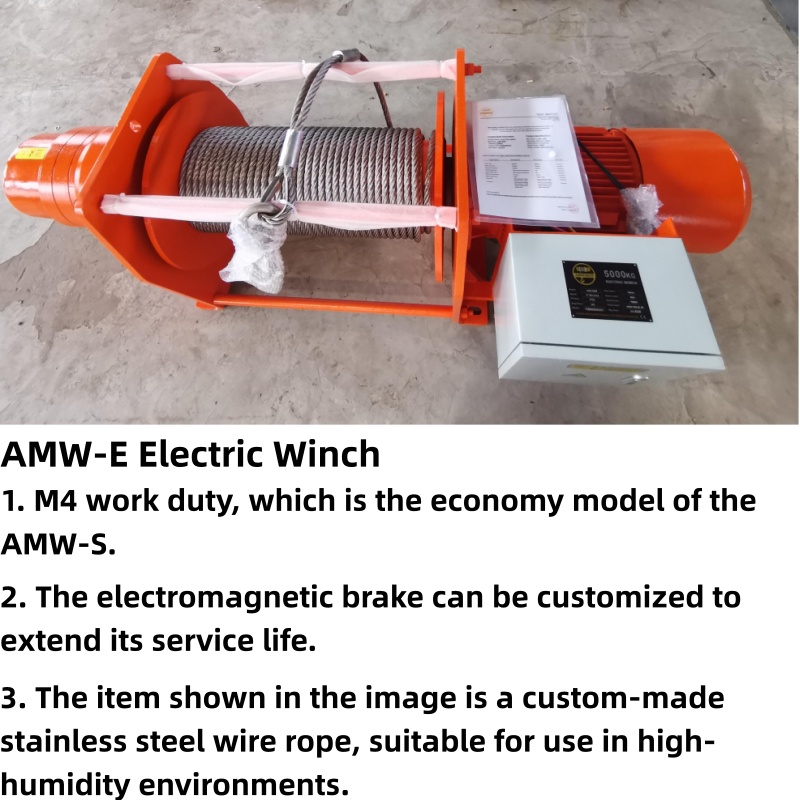
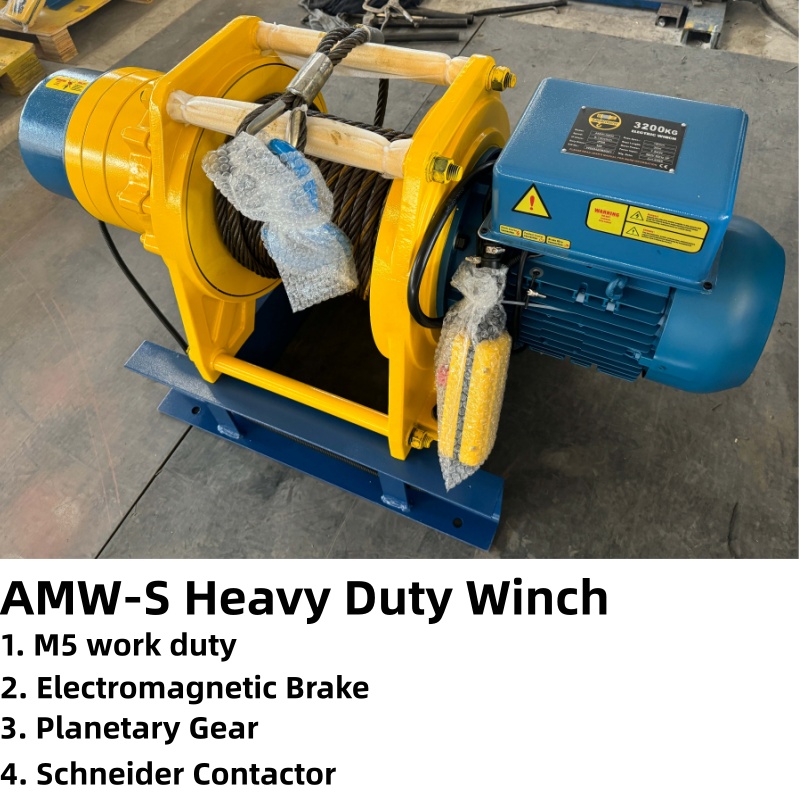
lM4 Duty Rating: Suitable for standard engineering applications, routine maintenance, and intermittent lifting tasks.
lM5 Heavy-Duty Rating: Specifically designed for continuous, high-intensity operations in harsh environments (such as offshore engineering, mining, and large-scale construction sites); features superior heat dissipation capabilities and mechanical durability.
Using lower-rated heavy duty winch in high-frequency operational settings can lead to serious safety hazards, such as motor overheating and brake failure.
3. Strict Compliance and Extreme Environment Certification
If your equipment is destined for regions with exceptionally stringent safety regulations—such as the European Union, or the semiconductor and infrastructure sectors in Singapore—CE certification and strict adherence to local safety standards constitute non-negotiable prerequisites.
Furthermore, for outdoor projects (such as towing vessels at coastal docks), equipment must feature an IP55 protection rating and corrosion-resistant components—such as steel wire ropes with natural fiber cores that retain lubricating oil, or stainless steel wire ropes—to withstand salt spray and high-humidity environments.
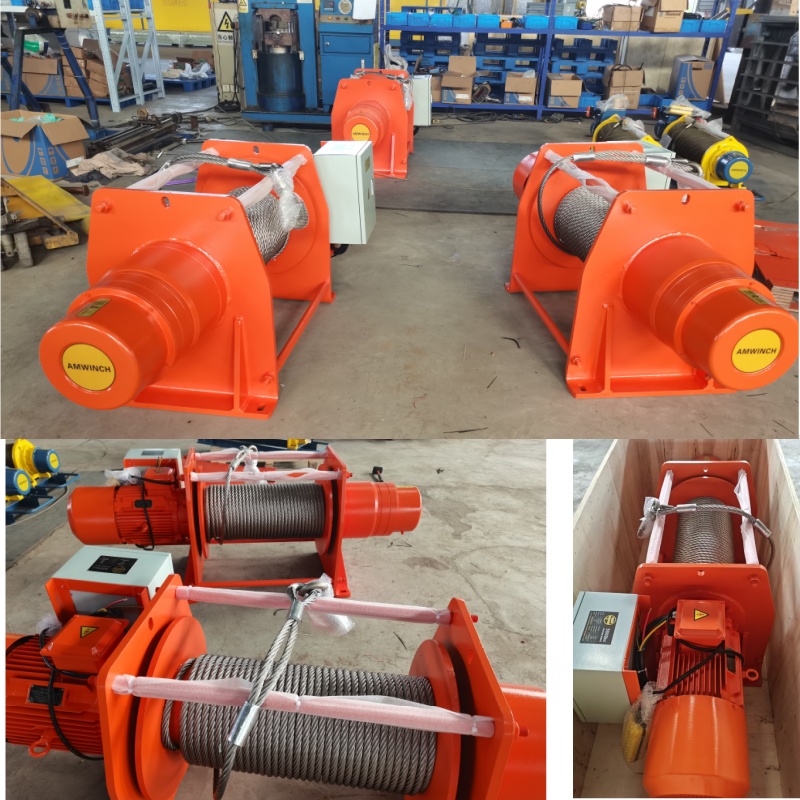
Success Story: Recently, ALLMAN successfully delivered a batch of custom-engineered marine electric winches for an offshore infrastructure project in France. Operating within an extreme marine environment characterized by high humidity and heavy salt spray, these winches—distinguished by their superior IP55 protection rating and electromagnetic braking systems—executed the precise positioning and hoisting of wind turbine components with high accuracy, achieving a flawless, zero-failure operational record throughout the entire project lifecycle.
Purchasing an industrial hoist is not merely a one-time transaction, but rather a long-term technical partnership. A reliable manufacturer should provide comprehensive technical documentation—including drawings, wiring diagrams, and engineering calculations—along with a dependable supply of spare parts.
Located in the heartland of China's high-end machinery manufacturing sector (Nantong, Jiangsu, in close proximity to Shanghai Port), ALLMAN Industrial seamlessly integrates the agile supply chains of the Yangtze River Delta with international engineering standards. From custom single- and three-phase electric models to M5-class industrial hoists, we safeguard your production efficiency with uncompromising quality.
 Hot News
2026-07-11
2026-07-02
2026-07-01
2026-07-03
2026-06-12
2026-01-23
Nantong Allman Industry Co.,Ltd. is a professional manufacturer specializing in the manufacturing and export of high-quality lifting&material handling equipment in China.
Room 1503, Building#2, No.#166, North Street, Nantong City, Jiangsu Province, China.
Copyright © Nantong Allman Industry Co.,Ltd. All Rights Reserved Privacy Policy Blog