EN
EN
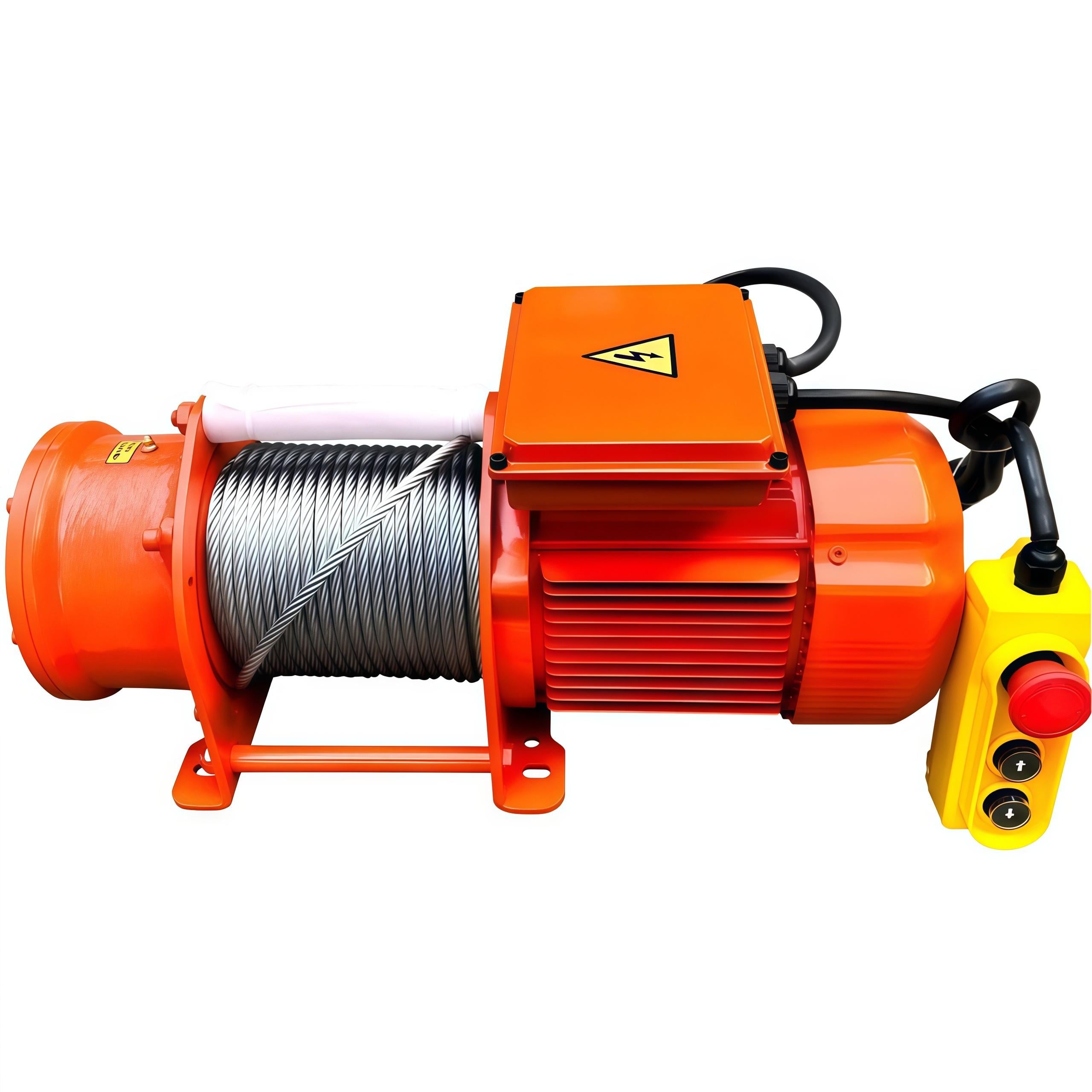
When selecting a 3-ton (3000 kg) electric winch for industrial lifting or material handling, choosing the right specification directly impacts operational safety, work efficiency, and equipment lifespan. Here is what engineering managers and buyers need to evaluate before purchasing.
Introduction
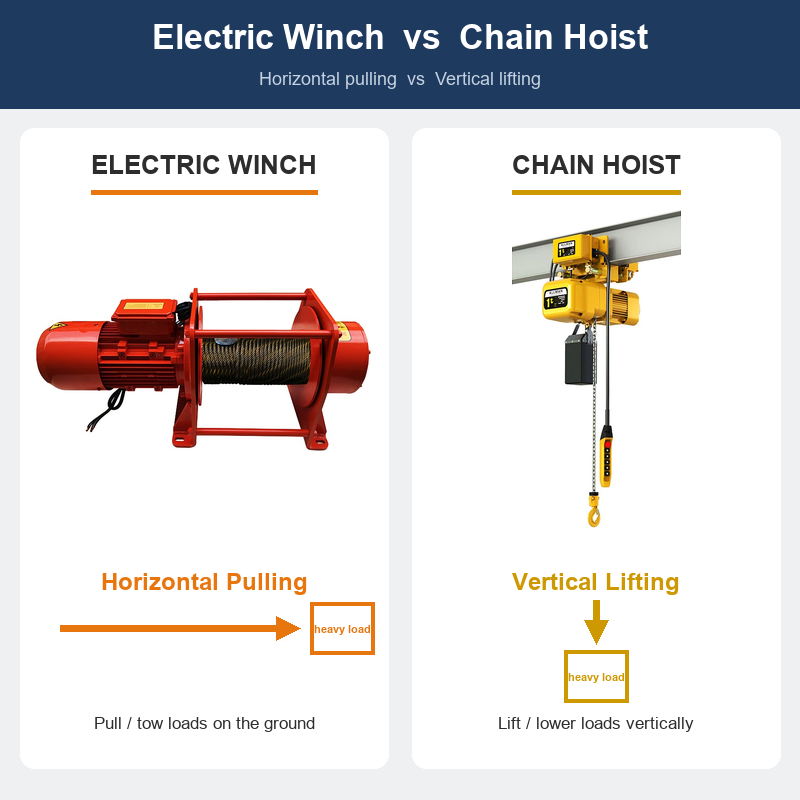
1. Electric Winch vs. Electric Hoist: What’s the Difference?
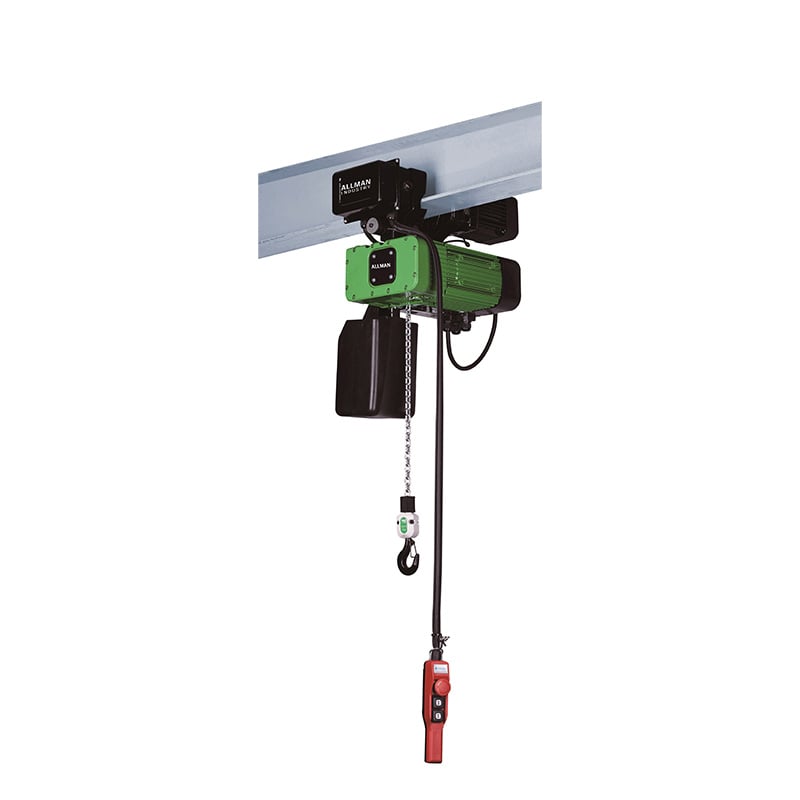
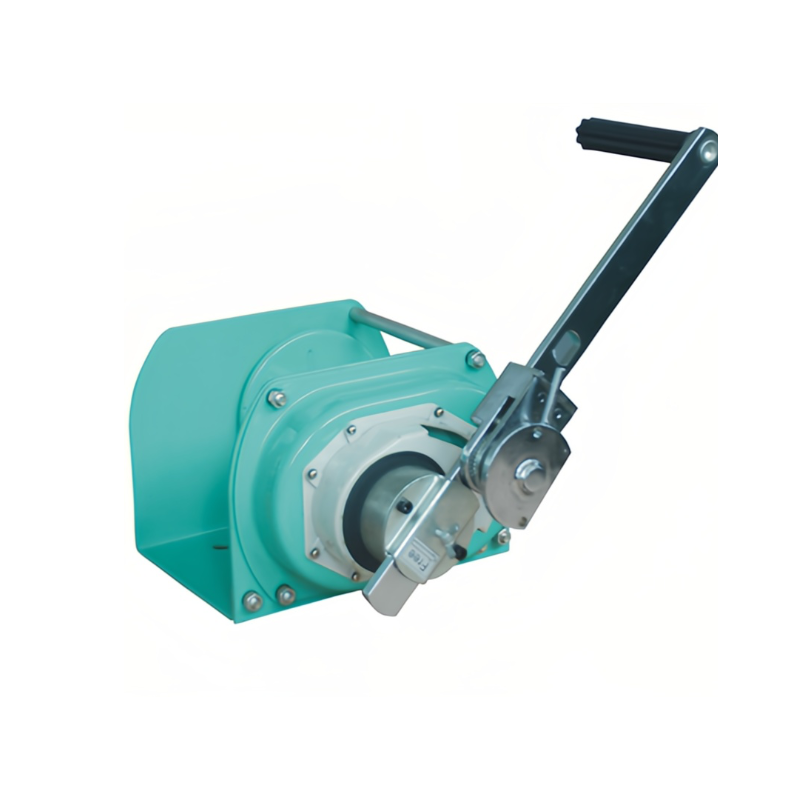
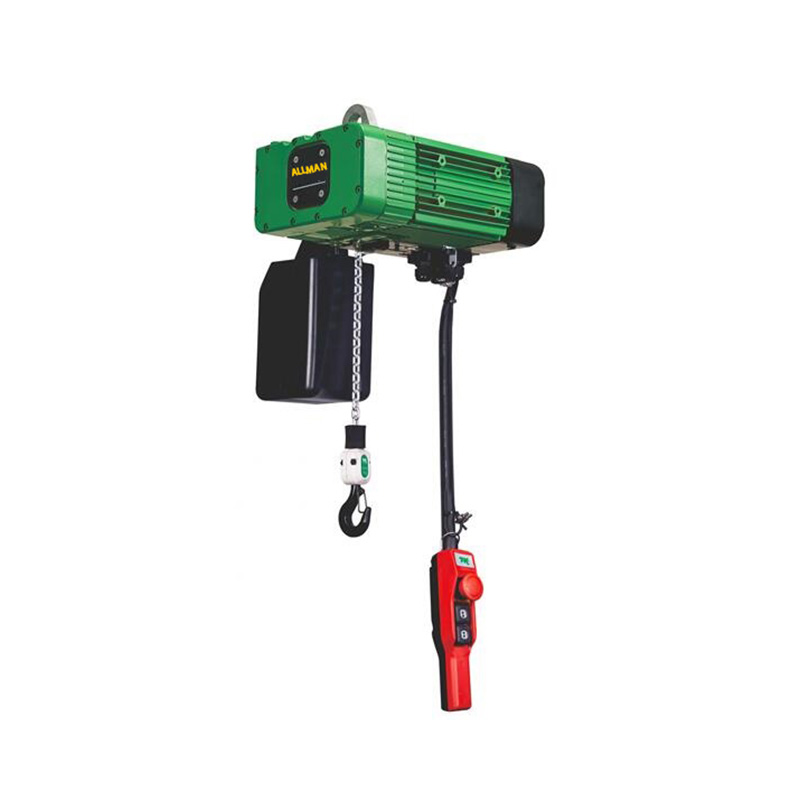
Many buyers confuse winches with electric chain/wire rope hoists. Understanding the difference is crucial:
2. Key Technical Factors to Consider
For continuous factory production or mining, select an M4/M5 (FEM 2m/3m) duty class motor to prevent overheating. Light construction tasks may only require M3.
As wire rope spools onto the drum, each layer increases the effective drum diameter. This means pulling force decreases and line speed increases on outer layers. Always calculate load requirements based on the full drum capacity.
Industrial winches must feature fail-safe electromagnetic brakes that automatically lock the load in case of power interruption or emergency shutdown.
Standard setups use a wired IP65 pendant station. For dangerous environments, high-rise operations, or marine docks, adding a wireless remote control (100m range) increases operator safety.
3. Common Maintenance Practices to Extend Winch Life
4. Single Line Pull vs. Double Line Pull (Using Block & Tackle)
Understanding mechanical advantage helps buyers choose the right model without over-specifying:
FAQ
Q1: What power supply is required for a 3-ton industrial electric winch?
A1: Standard models run on 3-phase industrial power (380V/415V/440V, 50/60Hz). Custom single-phase or low-voltage configurations (e.g., 220V 3P) can be engineered upon request based on your local grid setup.
Q2: How do I determine the wire rope diameter and length I need?
A2: Wire rope diameter is calculated using a safety factor (typically 5:1 for industrial lifting). The drum size determines maximum rope capacity; standard configurations range from 50m to 200m+. Always allow at least 3–5 safety wraps of rope to remain on the drum during full extension.
Q3: Can this electric winch be used for both horizontal pulling and vertical lifting?
A3: Yes, provided it is equipped with a heavy-duty electromagnetic fail-safe brake and an appropriate mounting frame. Always specify your primary application (pulling vs. vertical lifting) during quoting so the motor torque and gear ratios can be optimized.
Q4: Is it possible to control the winch speed during operation?
A4: Yes. While standard winches operate at a fixed line speed, a Variable Frequency Drive (VFD) panel can be integrated to allow smooth, stepless speed adjustment and soft starts/stops to protect sensitive loads.
Q5: What safety features are included with industrial winches?
A5: Key safety components include an electromagnetic automatic brake, an emergency stop button on the pendant/wireless control, top guide bars to prevent cable jumping, and optional overload limiters.
 Hot News
2026-07-11
2026-07-02
2026-07-01
2026-07-03
2026-06-12
2026-01-23
Nantong Allman Industry Co.,Ltd. is a professional manufacturer specializing in the manufacturing and export of high-quality lifting&material handling equipment in China.
Room 1503, Building#2, No.#166, North Street, Nantong City, Jiangsu Province, China.
Copyright © Nantong Allman Industry Co.,Ltd. All Rights Reserved Privacy Policy Blog