EN
EN
Introduction
In many factories, workshops and warehouses, the available vertical space above the load is limited. The overhead beam may already be installed, the ceiling height may be fixed, or large machinery may leave only a small amount of clearance for lifting equipment.
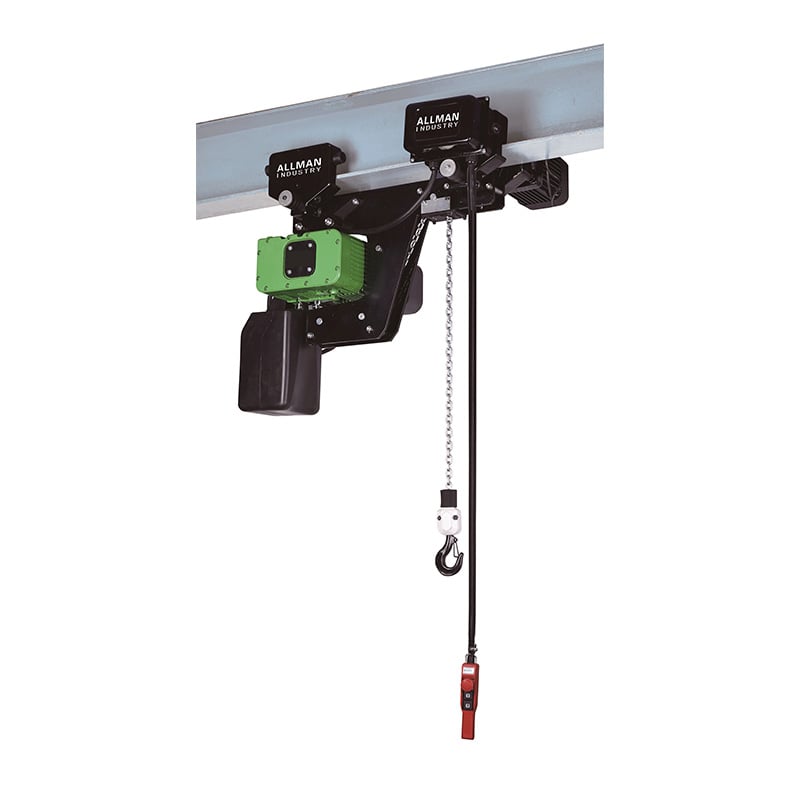
In these situations, a low headroom electric chain hoist can provide a practical solution.
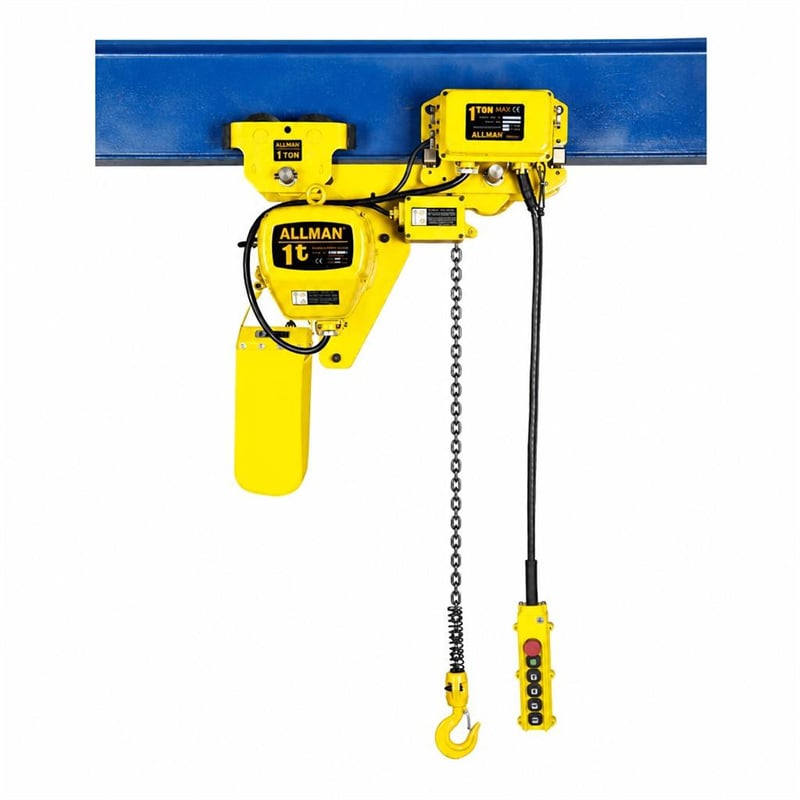
Unlike a conventional hoist configuration that may require more vertical space between the supporting beam and the hook, a low headroom design is developed to reduce the space required above the hook. This allows the available building height to be used more efficiently for lifting.
But what exactly does "low headroom" mean? Why does it matter when choosing an electric hoist? And how do you know whether you need one?
This guide explains the basic principles, dimensions, applications and selection considerations of low headroom electric chain hoists.
What Is a Low Headroom Electric Chain Hoist?
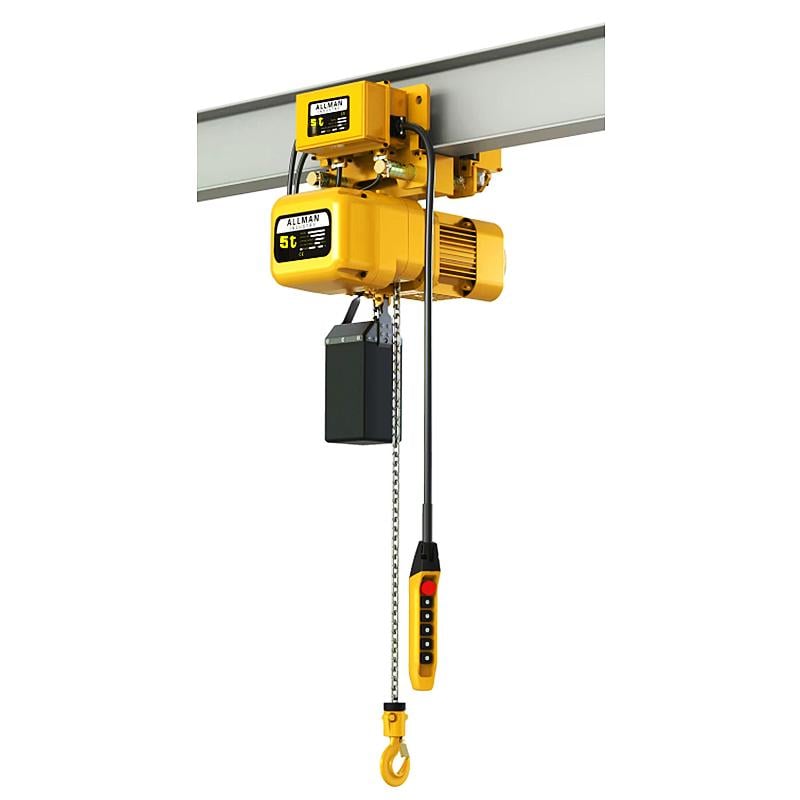
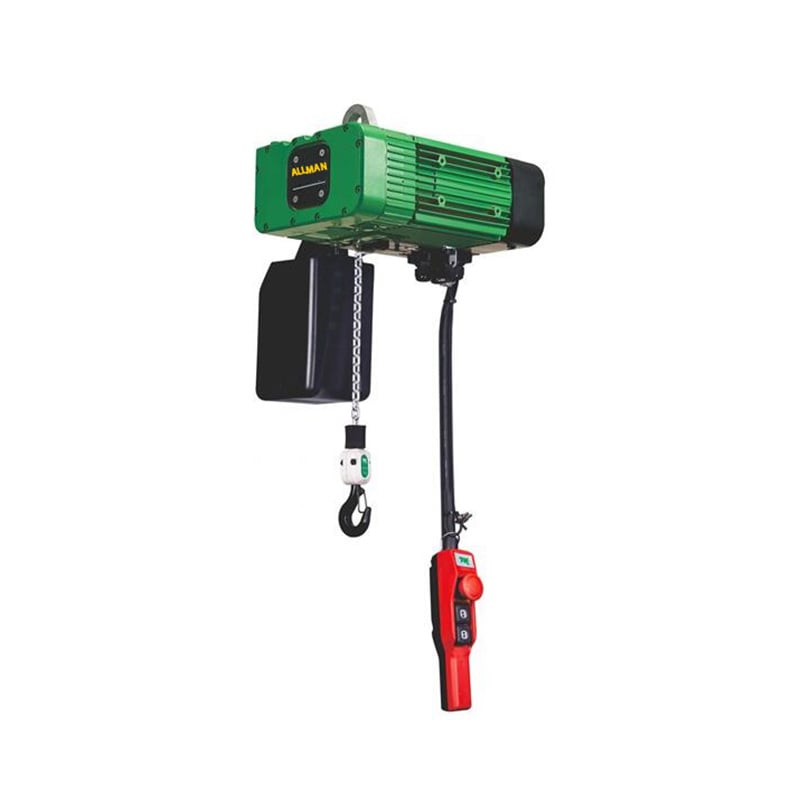
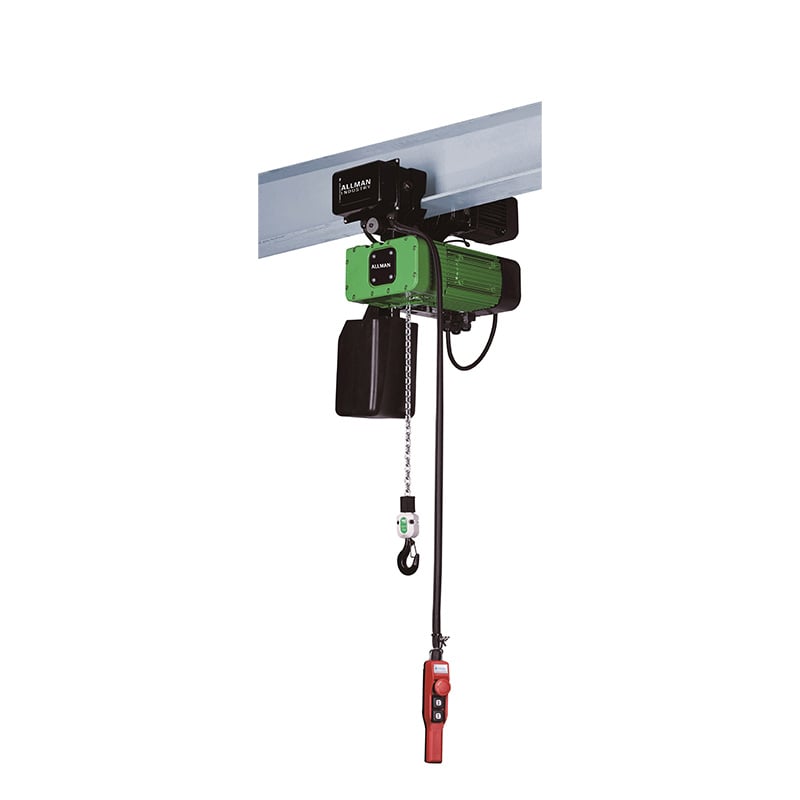
A low headroom electric chain hoist is an electrically powered lifting device designed to operate with reduced vertical clearance between the overhead supporting structure and the hook. It is typically used when the available overhead space is limited and the user needs to maximize the usable lifting height.
A typical system may consist of:
The key purpose of the low headroom design is therefore not simply to make the hoist look more compact. It is to make better use of the available vertical space.
What Does "Headroom" Mean in an Electric Hoist?
Headroom refers to the vertical space required by the hoist between its supporting structure and the hook or load position, according to the manufacturer's dimensional definition.
This dimension is particularly important when the building height or overhead beam position is fixed. The space occupied by the hoist above the hook affects how high the hook can reach.
For this reason, headroom is an important dimension when selecting a hoist for a low-ceiling workshop or an existing crane system.
Why Does Headroom Matter?
Imagine two hoists installed on the same overhead beam. If one hoist requires more vertical space above the hook, its hook position may be lower. If another hoist has a lower headroom dimension, the hook may be positioned closer to the beam.
This difference can become important when:
In these situations, even a relatively small reduction in required headroom can make a meaningful difference to the usable lifting space.
When Should You Use a Low Headroom Hoist?
A low headroom electric chain hoist may be worth considering when one or more of the following conditions apply.
1. Your Workshop Has Limited Ceiling Height
If the building itself has a low ceiling, the vertical space available for lifting equipment is limited.
2. The Existing Beam Cannot Be Moved
In many retrofit projects, the overhead beam or crane structure has already been installed.
Changing the beam elevation may be difficult or expensive.
A low headroom hoist can provide an alternative way to improve hook height without changing the building structure.
3. You Need Maximum Hook Height
Some applications require the load to be lifted as close as practical to the overhead structure.
Examples include: Machinery installation; Equipment maintenance; Material handling; Production lines; Steel fabrication.
4. The Load Is Relatively Tall
Even when the hoist itself has sufficient lifting capacity, the height of the load may limit the usable lifting space. A low headroom configuration can help make better use of the available clearance.
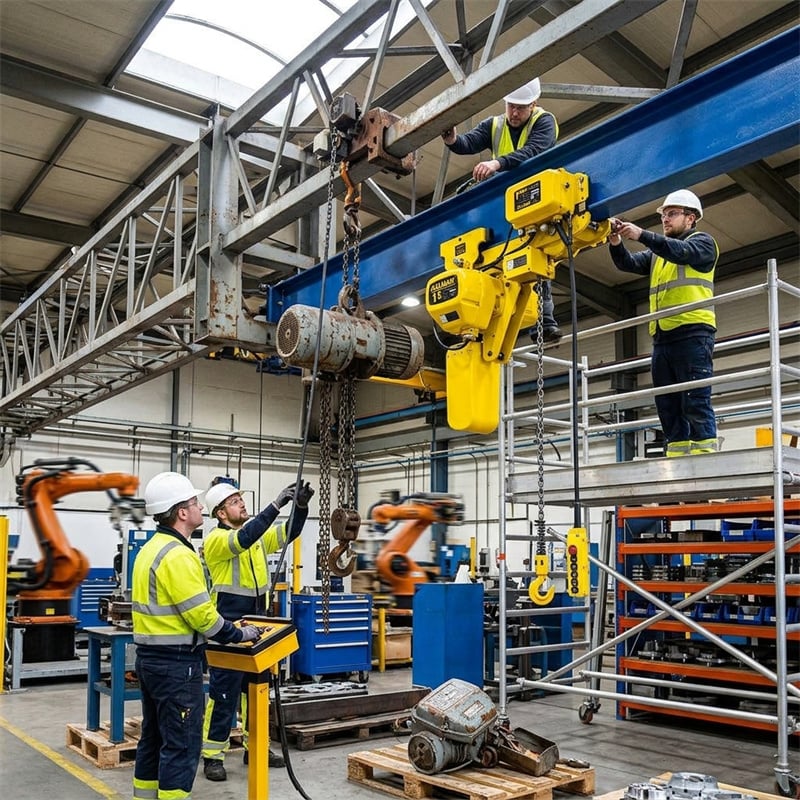
Common Applications of Low Headroom Electric Chain Hoists
FAQ
Q1: What is a low headroom electric chain hoist?
A1: A low headroom electric chain hoist is an electrically powered hoist designed to reduce the vertical space required between the supporting structure and the hook, making it suitable for applications with limited overhead clearance.
Q2:What is the main advantage of a low headroom hoist?
A2: Its main advantage is improved use of available vertical space. By reducing the required headroom, the hoist can help achieve a higher usable hook position where building or beam height is limited.
Q3: Is a low headroom hoist better than a standard hoist?
A3: Not necessarily. A low headroom hoist is particularly useful when overhead clearance is limited. If sufficient space is available, a standard hoist may already meet the application requirements.
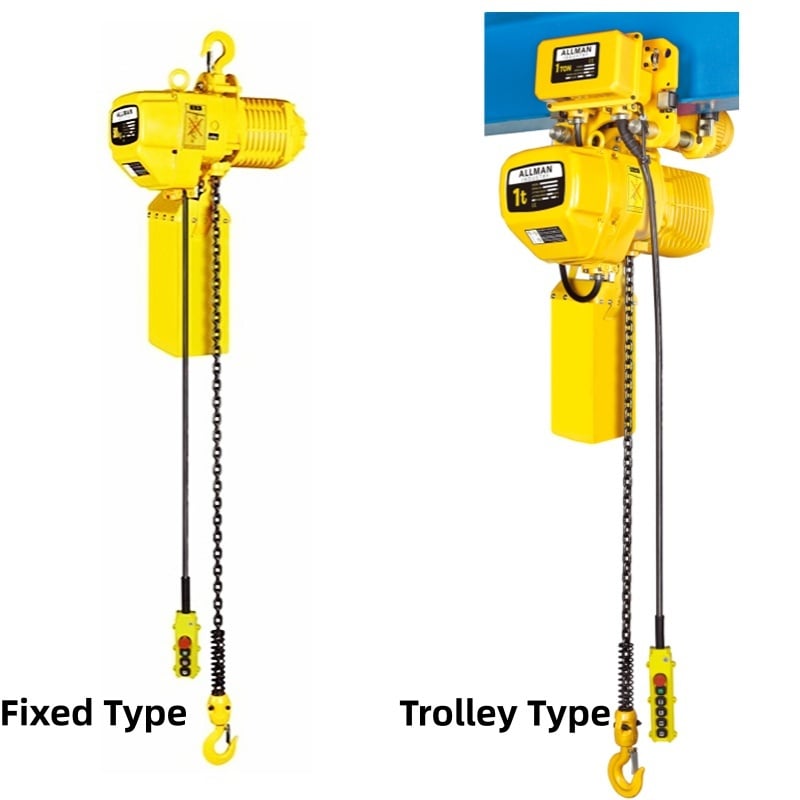
Q4: Can a low headroom electric chain hoist use a motorized trolley?
A4: Yes. A low headroom electric chain hoist can be configured with a motorized trolley to provide both vertical lifting and horizontal travel along a supporting beam.
Q5: How do I know if I need a low headroom hoist?
A5: Check your building height, beam position, available clearance and required hook height. If the available vertical space is limited, a low headroom configuration may be appropriate.
Q6: What does H mean on an electric hoist drawing?
A6: The meaning of the H dimension depends on the manufacturer's drawing and product design. It commonly refers to an important vertical dimension related to the hoist's installation or hook position. Always refer to the manufacturer's dimensional drawing for the exact definition.
Q7: What beam can a motorized trolley hoist be installed on?
A7: The trolley must be compatible with the beam dimensions and its adjustment range. Beam type, flange width and flange thickness should be checked before ordering.
Q8: Can the lifting height of a low headroom hoist be customized?
A8: Depending on the product model, lifting height can be configured according to the customer's requirements.
 Hot News
2026-07-11
2026-07-02
2026-07-01
2026-07-03
2026-06-12
2026-01-23
Nantong Allman Industry Co.,Ltd. is a professional manufacturer specializing in the manufacturing and export of high-quality lifting&material handling equipment in China.
Room 1503, Building#2, No.#166, North Street, Nantong City, Jiangsu Province, China.
Copyright © Nantong Allman Industry Co.,Ltd. All Rights Reserved Privacy Policy Blog